















What Type of Oil Change Is Right for Your Driving Style?
How to choose the perfect oil type and interval based on how (and where) you drive.

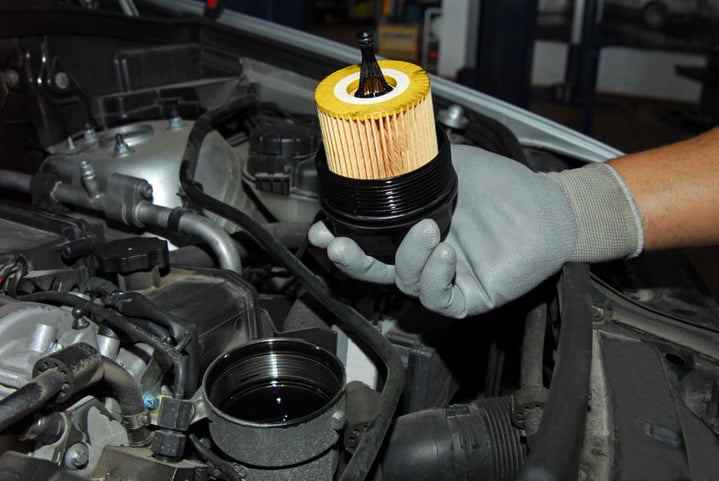
When it comes to maintaining your vehicle, one size doesn't fit all especially when it comes tooil change. Choosing the right oil and oil change interval depends heavily on your driving habits, vehicle type, climate, and more.
Using the wrong type of oil or waiting too long between changes can decrease engine efficiency, hurt fuel economy, and even cause long-term engine damage. But when done right? Youll save money and extend the life of your car.
This guide breaks down the best oil change options based on how YOU drive.
? First, Know the Types of Engine Oil
Before matching oil to driving style, heres a quick refresher on oil types:
|
Oil Type |
Best For |
Interval (Typical) |
|
Conventional |
Older engines, light driving |
3,0005,000 miles |
|
Synthetic Blend |
Moderate driving, mild stop-and-go |
4,0006,000 miles |
|
Full Synthetic |
High-performance, cold/hot climates, newer cars |
7,50010,000 miles |
|
High-Mileage Oil |
Cars with 75,000+ miles |
3,0007,500 miles |
|
Diesel Oil |
Diesel engines (heavier viscosity oils) |
5,00010,000 miles |
Each oil has a viscosity rating like 5W-30, which tells how it performs in hot and cold temperatures. Check your owner's manual to confirm the recommended viscosity.
?? Match Oil Type to Driving Style
1. City Commuter (Short Trips, Stop-and-Go Traffic)
Driving Style:
-
Frequent starts and stops
-
Short commutes under 5 miles
-
Often in traffic, lights, and low speeds
What Happens to Your Engine?
-
Oil doesnt fully warm up, leaving moisture and fuel residue
-
Faster oil breakdown due to frequent heating/cooling
Best Oil:
? Full Synthetic or Synthetic Blend
-
Handles heat cycles better
-
Prevents sludge buildup
-
Flows better at low temps
Change Interval:
-
Every 5,0007,500 miles
-
Or every 6 months, even if mileage is low
2. Highway Driver (Long-Distance, Consistent Speed)
Driving Style:
-
Long stretches of driving (30+ minutes)
-
Minimal stopping
-
Consistent speeds
What Happens to Your Engine?
-
Oil gets to full temperature and stays there
-
Less wear per mile compared to city driving
Best Oil:
? Full Synthetic or Synthetic Blend
-
Better protection over long intervals
-
Maximizes fuel economy
Change Interval:
-
Every 7,50010,000 miles
-
Some modern vehicles may go up to 12,000 with monitoring systems
3. Performance or Sport Driver
Driving Style:
-
Spirited acceleration
-
High RPMs
-
Turbocharged or high-horsepower vehicles
What Happens to Your Engine?
-
Higher heat and pressure
-
Greater wear on bearings and internals
Best Oil:
? Full Synthetic (High Performance Grade)
-
Resists breakdown at high temps
-
Keeps lubrication consistent under stress
Change Interval:
-
Every 4,0006,000 miles
-
Or after track days/heavy use
? Tip: Use manufacturer-recommended performance oils like Mobil 1 Extended Performance, Amsoil, or Castrol EDGE.
4. Off-Road or Heavy-Duty Driver
Driving Style:
-
Towing trailers
-
Driving in mud, sand, or rough terrain
-
4x4 use or commercial driving
What Happens to Your Engine?
-
High stress on engine and transmission
-
Dust and debris can contaminate oil
-
Higher heat load from towing or steep terrain
Best Oil:
? Full Synthetic or Diesel Oil (for trucks/SUVs)
? High-mileage blends if the vehicle is older
Change Interval:
-
Every 3,5005,000 miles
-
Always inspect oil filter regularly
? Tip: Trucks doing towing should check OEM towing specs and consider truck-specific synthetic blends.
5. Occasional Driver / Low-Mileage Driver
Driving Style:
-
Car sits parked for days/weeks
-
Mostly local errands
-
Less than 5,000 miles/year
What Happens to Your Engine?
-
Oil may degrade from age, not mileage
-
Moisture can accumulate
-
Risk of sludge if oil sits too long
Best Oil:
? Full Synthetic (with rust inhibitors)
? Change based on time, not miles
Change Interval:
-
Every 612 months, even if mileage is low
-
Look for oils with corrosion protection (e.g., Valvoline Modern Engine)
?? Driving in Extreme Climates?
? Hot Weather Climates
-
Look for synthetic oils with high-temperature stability
-
Use higher viscosity (like 10W-30) if approved by your manual
?? Cold Weather Climates
-
Choose oils with low first number (like 0W-20)
-
Synthetic oil flows better in freezing temps, preventing cold-start wear
? High-Mileage Drivers (Over 75,000 miles)
-
Use high-mileage oil with seal conditioners
-
Helps prevent leaks and reduce oil consumption
-
Great for older vehicles with some wear and tear
? Popular high-mileage oils:
-
Pennzoil High Mileage
-
Castrol GTX High Mileage
-
Valvoline MaxLife
? Use Oil Life Monitoring Systems (If Available)
Modern vehicles often have:
-
Oil Life Monitors (OLMs) that adjust based on your driving style
-
Sensors that track temp, RPMs, trip length, and even idle time
? Trust the system but check the manuals max interval as a safety limit.
? When in Doubt, Follow the 3 Rules:
-
Use synthetic oil if you drive short trips, tow, or experience extreme temps
-
Change oil at least twice a year, even if you drive infrequently
-
Use your manuals recommendations as a starting point then customize based on your habits
? Final Thoughts
Choosing the right oil type isnt just about following a sticker on your windshield its about matching your oil change plan to the way you drive.
Getting it right means:
-
Smoother engine performance
-
Better gas mileage
-
Fewer breakdowns
-
A longer engine life
? Want a custom recommendation?
Tell me:
-
Your vehicle make, model, and year
-
Your daily driving pattern (city, highway, towing, etc.)
-
How many miles you drive per year
And Ill help you pick exactly the right oil type and change interval including brand recommendations and service discounts near you.