










What is laser resurfacing for wrinkles and how does it work?
Aging. It’s natural, but not everyone embraces its visible signs—especially the fine lines and wrinkles that sneak onto our faces. That’s where laser resurfacing enters the conversation.


Introduction to Laser Resurfacing
Aging. Its natural, but not everyone embraces its visible signsespecially the fine lines and wrinkles that sneak onto our faces. Thats where laser resurfacing enters the conversation. This modern skin treatment, rooted in powerful science and cosmetic technology, offers a real solution for those who want smoother, younger-looking skin without going under the knife.
laser resurfacing wrinkles just a buzzword. Its a procedure that uses focused beams of light to remove layers of skin, stimulate collagen, and make those lines look less like deep creases and more like distant memories. Its one of the most popular dermatological procedures worldwideand for good reason.
Understanding Wrinkles: Why They Appear
Before diving deep into how laser resurfacing works, it helps to understand the enemy: wrinkles. These arent just marks of age; theyre the result of a combination of biological, environmental, and lifestyle factors.
Our skin is made up of layers. The topmost layer, the epidermis, is our shield, and underneath lies the dermisrich with collagen and elastin fibers. These two elements are like the scaffolding that keeps skin firm and smooth. As we age, collagen production decreases, and elastin becomes less springy. Add sun damage, pollution, smoking, and even repetitive facial movementsand boom, wrinkles start to form.
The Science Behind Laser Resurfacing
Laser resurfacing works by delivering short, concentrated pulses of light to damaged skin. These pulses either remove the outer layers (ablative lasers) or heat the skin to stimulate collagen growth (non-ablative lasers). The goal is always the same: encourage your skin to heal itself in a way that reveals a fresher, smoother, and tighter version.
Its essentially telling your skin, Hey, lets start fresh. By encouraging new skin cells to grow and boost collagen levels, laser resurfacing treats not just wrinkles, but texture, scars, and discoloration too.
Types of Laser Resurfacing Treatments
There are a few different types of laser treatments. Some are more intense and require more downtime, while others are gentler with gradual results. The main types include:
Ablative lasers, such as CO2 and Erbium lasers, remove layers of skin. Think of it like exfoliationonly much deeper and more precise. These are often recommended for deeper wrinkles and scars.
Non-ablative lasers, like Fraxel or Nd:YAG lasers, work beneath the surface without damaging the top layer. Theyre great for those looking for a subtle refresh without extended recovery.
Then theres fractional laser resurfacing, which can be either ablative or non-ablative. This technology treats only a fraction of the skin in a single pass, leaving surrounding areas intact to speed healing. It's powerful and popular.
How the Procedure Works Step-by-Step
When you go in for a laser resurfacing session, its not just a zap-and-go kind of deal. Its a carefully curated process designed to give your skin the attention it deserves.
First, youll have a consultation. Your provider will evaluate your skin type, your concerns, and your medical history. Together, youll choose the right laser option.
Next, on the day of the procedure, your skin will be cleansed, and a numbing cream or local anesthesia will be applied. For more intense treatments, sedation might even be considered.
Once youre numb and ready, the laser gets to work. Its passed across the skin in a specific pattern, targeting areas of concern. You may feel warmth or a tingling sensation.
After the treatment, your provider will apply soothing products, and youll receive instructions for home care. Recovery varies depending on the type of laser used. Ablative treatments can involve redness and peeling for a week or more, while non-ablative treatments might leave you glowing (and a bit pink) for just a few days.
The Skins Healing Journey After Resurfacing
Healing is where the magic happens. Your skin responds to the laser by going into repair mode. Thats when new collagen forms, and new skin cells rise to the surface.
For the first few days, your skin may feel sensitive, almost like a sunburn. There might be redness, slight swelling, or peeling. But underneath that surface is baby-fresh skin being revealed.
Hydration is key during this time. Sunscreen becomes your best friend. And while it may be tempting to pick or peeldont. Let nature take its course. Within a week or two, most people notice a visible improvement, and the skin continues to get better over the following months.
What You Can Expect Before and After
Before laser resurfacing, its all about preparation. That might mean adjusting your skincare routine, stopping certain medications, or avoiding sun exposure.
Afterward, expect to follow a strict aftercare plan. Youll likely need gentle cleansers, lots of moisturizer, and high-SPF sunscreen. Some swelling or mild discomfort is normal, but nothing unmanageable.
The real reward? That moment when you look in the mirror and see not just a smoother complexionbut a brighter, more confident version of yourself staring back.
Benefits Beyond Wrinkle Reduction
Yes, laser resurfacing shines when it comes to wrinkle reduction. But the benefits go further.
This treatment also addresses acne scars, sun spots, uneven tone, enlarged pores, and dull texture. It boosts your skins natural glow, smooths out rough patches, and can even improve elasticity over time. Its like pressing reset on your face.
Many patients describe the transformation as not just physical but emotional. When your skin looks refreshed, your confidence follows. And confidence is timeless.
Common Myths and Misconceptions
Some believe laser resurfacing is painful, dangerous, or only for older people. Lets bust those myths.
First, thanks to numbing creams and modern technology, most treatments are quite tolerable. The discomfort is often described as a light snapping or warmthnot unbearable pain.
Second, lasers arent risky when performed by trained professionals. With proper care and guidance, complications are rare and manageable.
Finally, laser resurfacing isnt reserved for people in their 50s or 60s. Even people in their 30s seek these treatments for early signs of aging, acne scars, or skin rejuvenation. Its for anyone who wants to invest in healthier, younger-looking skin.
Who Is the Ideal Candidate?
Not everyone is a perfect fit for laser resurfacing, but many are. Ideal candidates are generally healthy, non-smokers, and have realistic expectations.
People with lighter skin tones tend to see more dramatic results with fewer side effects, though newer technology is making laser treatments safer for darker skin as well. Always choose a provider experienced with your skin type.
If you have active acne, infections, or very sensitive skin, your provider may suggest alternative treatments or a different timeline.
Safety, Side Effects, and Aftercare
Laser resurfacing is safebut its still a medical procedure, and side effects can happen. Common issues include redness, swelling, temporary darkening or lightening of the skin, and peeling.
To reduce risk, follow your doctors instructions. Avoid direct sunlight, dont use harsh products, and stay moisturized.
In rare cases, more serious complications like infection or scarring can occur. Thats why choosing a certified, experienced provider is crucial.
Realistic Results and Timelines
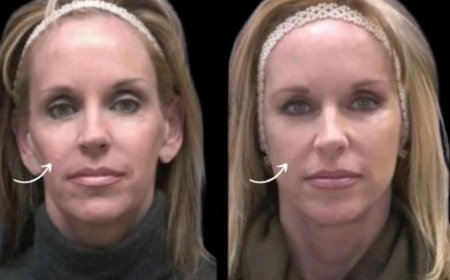
When it comes to laser resurfacing, patience pays off. You wont walk out of the clinic looking ten years younger immediatelybut give it time.
Results often become noticeable within one to two weeks and continue to improve for up to six months as collagen rebuilds. Some people need only one session, while others benefit from a series of treatments spaced out over time.
You can expect smoother skin, softened wrinkles, improved tone, and a radiant complexion that turns headsfor the right reasons.
Comparing Laser Resurfacing to Other Options
Botox, fillers, microneedling, chemical peelsthe anti-aging world is full of choices. So how does laser resurfacing stack up?
Unlike injectables that temporarily freeze muscles or plump lines, lasers target the skin itself. Its a longer-term solution that improves skin health, not just appearance.
Chemical peels work similarly but arent as precise. Microneedling is gentler but may require more sessions. In short, laser resurfacing offers deeper, longer-lasting resultsbut with more downtime.
Personal Stories and Testimonials
Ask anyone whos had laser resurfacing, and youll likely hear stories of transformation. One patient might share how they got it before a wedding and felt radiant walking down the aisle. Another might say they finally felt confident going makeup-free.
These arent fairy talestheyre real results that affect how people see themselves. The journey isnt always easy, but the rewards are undeniable.
The Future of Anti-Aging Laser Technology
Laser technology isnt standing still. With innovations like fractional lasers, robotic precision, and AI-guided systems, treatments are becoming safer, more effective, and tailored to each persons needs.
Newer devices also minimize downtime, making it easier to fit treatments into busy schedules. The goal? Maximum results with minimal fuss.
As research continues, expect to see lasers used in even more skin therapiesfrom pigmentation to tightening, and beyond.
Final Thoughts
Laser resurfacing isnt magicbut its pretty close. By blending the power of light with the bodys own healing process, this treatment turns back the clock in a natural and lasting way.
Its not just about smoothing wrinklesits about revealing the best version of you. Whether youre looking for a refreshed appearance or a confidence boost, laser resurfacing offers a proven path to youthful, vibrant skin.
And while the process requires care, patience, and the right provider, the end result is worth it: skin that looks as alive, resilient, and beautiful as you feel on the inside.