














The Social Life of Old Cars: What Happens After Goodbye
Discover what happens to cars after they are retired. Learn how vehicles live on through Scrap Car Removal Townsville.


When a car reaches the end of its time on the road, it does not simply disappear. Many people think the story ends with a breakdown, a failed inspection, or a final trip to the mechanic. But the truth is, old cars take on new roles long after the engine stops. These vehicles, which once carried people to work, holidays, and family events, often become part of a broader network of reuse, recycling, and recovery.
From parts salvaging to recycling metals, old cars continue to serve in ways that are not always seen. In fact, the social life of these vehicles often begins only after they are no longer being driven.https://www.cash4carstownsville.com.au/
A Car's Life Before the Goodbye
Before exploring what happens after a car is retired, it is important to remember what goes into its lifespan. Most cars on Australian roads last between 10 to 15 years before major mechanical issues, wear, or outdated safety features push them off the road. During this time, a car becomes more than just transport. It often plays a big part in daily routines.
It may carry children to school, haul camping gear across long weekends, or help someone travel for work. Every dent, scratch or seat stain holds a moment from someones life. And when the time finally comes to say goodbye, many of these cars still have parts and materials that can serve other uses.
What Happens After Retirement
Once a car can no longer be driven or repaired cost-effectively, it usually ends up in one of three places: a wreckers yard, a recycling centre, or with a private buyer who uses it for spare parts. Each path serves a different role in the car's ongoing life.
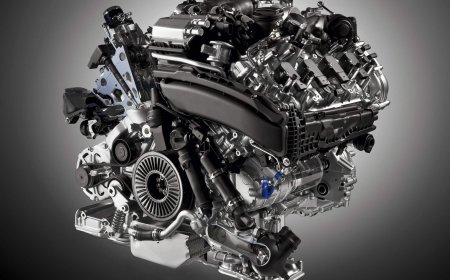
Wreckers often strip usable components such as doors, engines, mirrors, or gearboxes. These parts are sold to owners of similar models, allowing their vehicles to keep running. In this way, one retired car may help five or ten others stay on the road.
If the car is damaged beyond recovery, its metals and plastics are sorted and processed. Steel, for example, is one of the most recycled materials in the world. It can be melted down and reused in construction, manufacturing, or even new vehicles. This process helps reduce the demand for raw materials.
How Old Cars Continue to Help
Even in rough condition, many vehicles still contain parts that work well. Alternators, batteries, seats, and even windscreen wiper arms often remain in fair shape. These parts find their way to workshops and individual car owners who are searching for replacements that do not require buying new.
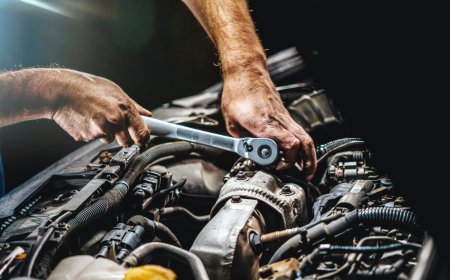
Some cars also become training tools. Automotive schools and mechanical workshops often use retired vehicles to teach students how engines, brakes, and suspensions work. In this way, the car becomes a learning tool and helps the next generation of mechanics build their skills.
A small number of old vehicles are kept as collectors projects or turned into display pieces. While this is less common, it shows that even after a cars working life ends, there is still room for creativity and restoration.
Community Value of Scrap Vehicles
Scrap yards and vehicle recycling centres are part of a larger network that supports jobs and resources across communities. Workers sort metals, manage parts sales, operate machinery, and handle the safe disposal of liquids and batteries.
The materials recovered from a single vehicle can be used across many industries. From construction to agriculture, recycled steel and rubber continue to support other sectors. This shows how a single car, long after its last trip, keeps adding to the economy.
Environmental Facts Behind the Scenes
Cars contain many materials that can damage the environment if not handled properly. Engine fluids, fuel, and batteries must be removed safely. This is why trained teams handle end-of-life vehicles. Once drained and processed, the car can be taken apart in a way that limits waste and pollution.
According to data from industry reports, over 80 percent of a cars weight can be recovered and reused. This includes steel, aluminium, rubber, and some plastics. Every car recycled helps reduce the need for mining and cuts down on the energy required to produce new metals.
Letting Go and Moving Forward
When a car reaches the end, owners often hold onto it longer than they should. This can take up space, add risk, and prevent the car from being put to use elsewhere. Letting go does not mean wasteit often means that the vehicle can begin a new path through parts or recycling.
In cities like Townsville, many owners face this question. They often search for ways to handle unwanted cars without stress or long waits. Services that focus on Scrap Car Removal Townsville help fill this gap by collecting old cars and making sure they are processed correctly. This makes room for new vehicles, clears clutter, and supports the local recycling network. Services like Cash 4 Cars Townsville have become part of this process, linking owners with yards that know how to reuse what remains.
Closing Thoughts
A car does not stop having value when it stops running. Its parts can help other cars stay on the road. Its metal can be used in new products. Its seats, wiring, and tyres can be stripped and recovered. Even the body itself may serve as a teaching tool for young mechanics.
The social life of old cars begins when the engine turns off for the last time. They move from personal use into broader roleshelping others, teaching skills, and giving back to the environment. It is a quiet legacy, but one worth noticing. So, when the time comes to say goodbye to your vehicle, know that it may still have work to do.