















Tree Removal – Everything You Need to Know Before Cutting Down That Tree
Tree removal isn’t always the first choice, but sometimes it’s the smartest one. Whether your tree is diseased, dead, dangerous, or just in the way, getting it removed by professionals ensures safety, protects your property, and clears space for new growth.

Got a tree thats outstayed its welcome? Whether it's dead, diseased, dangerously close to your home, or just blocking your view, tree removal is sometimes the only option. But heres the thing its not as simple as firing up a chainsaw and going at it.
Removing a tree is a serious task that requires skill, planning, and safety. In this guide, well walk you through everything you need to know: from when and why you should remove a tree, to how much it costs, what the process involves, and who you should hire.
Why Tree Removal May Be Necessary
While trees offer beauty, shade, and clean air, some situations demand their removal. Heres when cutting a tree down becomes essential:
1. Dead or Dying Tree
A dead tree is a hazard waiting to happen. It can fall without warning and cause serious damage.
2. Tree is Diseased
Certain diseases spread rapidly and affect nearby trees. Infected trees often can't be saved.
3. Safety Concerns
Is the tree leaning toward your house? Are its limbs close to power lines? Its better to be safe than sorry.
4. Storm Damage
Storms can break large limbs or split trees in half. If the structure is compromised, removal might be your best bet.
5. Roots Causing Damage
Tree roots can crack foundations, lift sidewalks, or invade plumbing systems.
6. Construction or Landscaping Plans
Sometimes trees just dont fit into your future plans and thats okay.
Signs a Tree Needs to Be Removed
-
Large dead branches
-
Deep cracks or splits in the trunk
-
Bark falling off or fungus growing at the base
-
A tree suddenly leaning
-
Hollow sound when tapped
-
No leaves during growing season
Pro Tip: If youre unsure, have a certified arborist evaluate the tree. Theyll know whether it can be saved or not.
How Tree Removal Works Step-by-Step
-
Inspection & Estimate
A tree care professional will examine the tree and surrounding area, then provide a removal plan and price quote. -
Permit (If Required)
Some cities require permits to remove trees, especially large or protected ones. -
Safety Prep
The area is cleared, equipment is set up, and the team reviews the removal strategy. -
Limb-by-Limb Removal
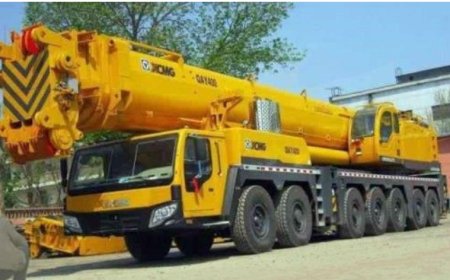
Large trees are usually taken down in sections using ropes, saws, or cranes. -
Trunk and Stump Cutting
After limbs are down, the trunk is cut into sections, and the stump is either cut flush or ground down. -
Clean-Up
Debris is hauled away or chipped on-site.
Tree Removal vs Tree Trimming Know the Difference
| Feature | Tree Trimming | Tree Removal |
|---|---|---|
| Purpose | Shape & health | Eliminate hazard/space |
| Tree stays? | Yes | No |
| Equipment | Pruners, saws | Chainsaws, cranes |
| Cost (Avg.) | $100$500 | $300$2,500+ |
| Frequency | Every 13 years | Once (per tree) |
How Much Does Tree Removal Cost?
The cost varies depending on tree size, location, and complexity.
| Tree Size | Average Cost |
|---|---|
| Small (under 30 ft) | $150 $500 |
| Medium (3060 ft) | $500 $1,000 |
| Large (60100 ft) | $1,000 $2,500+ |
| Emergency removal | $1,000 $5,000+ |
Factors affecting price:
-
Tree height & trunk diameter
-
Proximity to buildings or power lines
-
Equipment needed (crane, bucket truck)
-
Accessibility of the site
-
Stump removal (usually extra)
Should You Try DIY Tree Removal?
In most cases: Nope.
While it might be tempting to save money, DIY tree removal is dangerous and potentially life-threatening. You risk:
-
Injuring yourself or others
-
Dropping the tree on your house
-
Damaging utilities
-
Facing legal issues (if done without permits)
Leave the big stuff to the pros especially if the tree is over 15 feet tall.
What to Look for in a Tree Removal Company
? Licensed and insured
? Certified arborists on staff
? Great online reviews and local references
? Written estimates and transparent pricing
? Proper safety equipment and insurance
Ask if they include stump grinding and cleanup some dont!
Do You Need a Permit to Remove a Tree?
It depends on your city and tree type. Many municipalities protect certain trees, especially if theyre:
-
Over a certain size
-
A specific species
-
In a designated tree preservation area
Always check with your local government or HOA before removing a tree.
What About the Stump?
Tree removal often leaves a stump behind. You have 3 options:
-
Leave it as-is
Cheapest option, but can become a trip hazard or attract pests. -
Stump Grinding
Grinds stump 612 inches below ground level. Most popular and clean. -
Stump Removal
Entire root system pulled out. More expensive and disruptive but eliminates roots completely.
Whens the Best Time to Remove a Tree?
Late fall through early spring is ideal trees are dormant, theres less foliage, and companies may offer better rates during the off-season.
But if the tree poses a risk, remove it ASAP regardless of season.
Conclusion
Tree removal isnt always the first choice, but sometimes its the smartest one. Whether your tree is diseased, dead, dangerous, or just in the way, getting it removed by professionals ensures safety, protects your property, and clears space for new growth.
Dont wait for disaster to strike if your tree shows signs of trouble, act fast and call the experts.
FAQs
1. How long does it take to remove a tree?
It can take a few hours to a full day, depending on the size and complexity.
2. Can I remove a tree on my own property without permission?
Sometimes yes, but check local laws especially for large or protected trees.
3. Does homeowners insurance cover tree removal?
If the tree falls due to a storm and damages a covered structure, insurance usually helps. If its healthy and just in the way youre on your own.
4. What happens to the wood after removal?
You can request the wood be hauled away, chipped, or left for firewood up to you.
5. How do I know if a tree is dying?
Look for signs like dead branches, bark peeling off, fungus growth, and no leaves during spring.