












Top 10 Vintage Shops in New Orleans
Introduction New Orleans is a city where history breathes through every cobblestone street, every wrought-iron balcony, and every hidden corner of a centuries-old storefront. Beyond the jazz clubs and Creole cuisine lies a thriving culture of vintage discovery — a treasure trove of mid-century furniture, 1970s vinyl, 1950s dresses, and forgotten artifacts waiting to be reclaimed. But in a city tee

Introduction
New Orleans is a city where history breathes through every cobblestone street, every wrought-iron balcony, and every hidden corner of a centuries-old storefront. Beyond the jazz clubs and Creole cuisine lies a thriving culture of vintage discovery a treasure trove of mid-century furniture, 1970s vinyl, 1950s dresses, and forgotten artifacts waiting to be reclaimed. But in a city teeming with markets and pop-up stalls, not every shop offering vintage is truly worthy of trust.
Authenticity matters. Ethics matter. Provenance matters. The best vintage shops in New Orleans dont just sell old things they honor them. They source with care, preserve with integrity, and present with passion. These are the places where youll find a 1940s leather suitcase with original brass fittings, a hand-painted 1968 concert poster, or a perfectly preserved 1980s denim jacket not mass-produced replicas or overpriced tourist trinkets.
This guide reveals the Top 10 Vintage Shops in New Orleans You Can Trust. Each has been selected based on decades of local reputation, consistent customer feedback, transparent sourcing, and a deep-rooted connection to the citys cultural legacy. Whether youre a lifelong collector, a fashion enthusiast, or simply seeking a one-of-a-kind souvenir with soul, these shops deliver more than merchandise they deliver stories.
Why Trust Matters
In the world of vintage shopping, trust isnt a luxury its the foundation. Unlike buying new items with standardized warranties and brand guarantees, vintage goods come without labels, without receipts, and often without clear histories. What youre purchasing isnt just an object its a fragment of time. And that fragment deserves respect.
Untrustworthy vendors may mislabel modern reproductions as authentic, inflate prices based on nostalgia rather than value, or even sell items with hidden damage or unethical origins. Some shops profit from the romanticism of New Orleans past without contributing to its preservation. Others rush to capitalize on trends, flooding their inventory with generic imports disguised as Southern antiques.
Trusted vintage shops, by contrast, invest in research. They build relationships with estate liquidators, family heirs, and local historians. They clean, repair, and restore items using period-appropriate methods. They educate their customers explaining the era, the maker, the cultural context. They dont just sell you a chair; they tell you who sat in it, where it came from, and why it survived.
Trust also means transparency. Reputable shops disclose condition issues, avoid false provenance claims, and welcome questions. They dont hide tags or obscure labels. They let the object speak and they help you listen.
In New Orleans, where culture is preserved as much as it is celebrated, choosing a trusted vintage shop is an act of cultural stewardship. When you buy from these curated spaces, youre not just acquiring an item youre supporting the guardians of memory.
Top 10 Vintage Shops in New Orleans You Can Trust
1. The Curated Closet
Nestled in the heart of the French Quarter, The Curated Closet has earned its reputation as the gold standard for vintage fashion in New Orleans. Founded in 2008 by a former costume designer for the New Orleans Opera, the shop specializes in womens apparel from the 1920s through the 1990s. Every garment is hand-inspected, cleaned using gentle, non-toxic methods, and tagged with detailed era-specific notes.
What sets The Curated Closet apart is its commitment to sustainability and body inclusivity. The shop offers alterations on-site and maintains a Size Spectrum display featuring pieces from 0 to 24, ensuring that vintage style is accessible to all. Their collection includes rare finds like 1950s Dior-inspired tea dresses, 1970s Yves Saint Laurent silk blouses, and original 1980s New Wave accessories from local designers.
Customers praise the staffs expertise many have worked in fashion for over 20 years and can identify a 1963 Halston by the seam construction alone. The shop also hosts monthly Vintage Styling Sessions, where patrons can bring personal items for appraisal and styling advice. No mass-produced imports. No fast fashion fakes. Just meticulously preserved pieces with documented histories.
2. Mardi Gras Archives & Antiques
For collectors of New Orleans-specific memorabilia, Mardi Gras Archives & Antiques is a pilgrimage site. Located in the Bywater neighborhood, this shop is run by a family whose lineage traces back to Krewe of Rex bead makers in the 1920s. Their inventory is not merely vintage its archival. Youll find original 19th-century parade floats, hand-painted doubloons from the 1950s, beaded masks with verified krewe provenance, and rare photographs documenting Mardi Gras from 1870 to 1985.
Unlike typical souvenir shops, this location operates as a hybrid museum and boutique. Each item is cataloged with a digitized record accessible via QR code. The owners collaborate with Tulane Universitys Louisiana Research Collection to authenticate artifacts and prevent the sale of counterfeit or stolen items. Theyve even helped return lost heirlooms to descendants.
While many visitors come for the glittering beads, the true treasures lie in the lesser-known corners: 1930s carnival programs, hand-sewn costumes from the Krewe of Zulu, and original krewes ledgers from the early 1900s. The shop refuses to sell any item unless its origin can be traced to a New Orleans family, parade organization, or documented event. This ethical rigor makes it one of the most trusted names in local history preservation.
3. The Rustic Lantern
Specializing in mid-century modern and Southern farmhouse furniture, The Rustic Lantern is a haven for interior designers and homeowners seeking authentic, well-crafted pieces. Located in the Marigny, this shop has been operating since 1995 and is known for its painstaking restoration process. Each piece from a 1950s teak sideboard to a 1940s oak dining table is stripped, sanded, and refinished using natural oils and waxes, never synthetic lacquers.
What makes The Rustic Lantern trustworthy is its refusal to modernize original designs. You wont find a 1960s Eames chair with plastic legs replaced by cheap metal. Instead, they source original hardware, reupholster with period-appropriate fabrics, and document every repair. Their inventory includes rare Louisiana-made pieces, such as 1930s cypress cabinets from New Iberia and 1950s wrought-iron bed frames from the Treme ironworks.
The shop also offers a History Tag system a small plaque attached to each item detailing its origin, previous owner (if known), and restoration notes. Their founder, a retired architect, personally vets every acquisition, often traveling to rural plantations and abandoned homes to rescue furniture before its discarded. Regular customers return not just for the quality, but for the stories each piece carries a whisper of the past.
4. Vinyl & Velvet
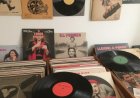
For music lovers, Vinyl & Velvet is the undisputed heart of New Orleans vintage record scene. Opened in 2001 by a jazz historian and former WWOZ DJ, the shop houses over 15,000 curated records spanning jazz, blues, R&B, zydeco, and early rock n roll. Every LP and 45 is cleaned with a specialized sonic solution, inspected for warping or scratches, and graded using industry-standard criteria.
What distinguishes Vinyl & Velvet is its dedication to Louisiana artists. The shop boasts one of the largest collections of rare New Orleans jazz 78s outside of the Hogan Jazz Archive at Tulane. Youll find original pressings of Fats Dominos first singles, early Professor Longhair sessions, and limited-edition releases from the 1970s funk scene that never made it to national distribution.
Staff members are trained musicians who can identify pressing plants, label variations, and even the studio where a record was cut. They also host weekly listening sessions where patrons can hear rare tracks on vintage turntables. The shop refuses to carry reissues unless theyre officially licensed and pressed on high-quality vinyl. No digital downloads. No bootlegs. Just pure, analog authenticity.
5. The Gilded Feather
Specializing in vintage jewelry and decorative objects, The Gilded Feather is a jewel box of forgotten elegance. Located in the Garden District, this shop has been curated by a third-generation estate liquidator who specializes in Southern aristocratic estates. Her inventory includes Art Deco brooches from the 1920s, Victorian lockets with original hairwork, 1950s costume jewelry from New York designers, and rare silver pieces from the 19th-century French Quarter silversmiths.
Each item is authenticated using microscopic examination and, when possible, hallmarks are cross-referenced with historical databases. The shop provides a certificate of authenticity for all pieces over $250, including details on metal content, gem origin, and estimated age. Theyve been instrumental in helping families identify heirlooms passed down through generations.
What sets The Gilded Feather apart is its ethical sourcing policy. They never purchase from unknown online resellers or flea markets with dubious provenance. All items come directly from estate sales, family trusts, or documented inheritances. Their collection includes pieces once owned by prominent New Orleans families like a 1910 Cartier pendant once worn by a member of the Degas family.
6. Bayou Bazaar
Bayou Bazaar is a sprawling, warehouse-style vintage emporium in the Lower Ninth Ward that defies categorization. Its part thrift store, part museum, part cultural archive. Founded in 2005 by a group of artists and historians recovering from Hurricane Katrina, the shop became a sanctuary for salvaged objects from flooded homes and abandoned properties.
Here, youll find everything from 1930s kitchenware to 1980s neon signs, typewriters, rotary phones, and entire collections of vintage childrens books. What makes Bayou Bazaar trustworthy is its mission: to preserve the material culture of New Orleans neighborhoods that were nearly erased. Each item is tagged with its origin neighborhood and, if known, the name of the former owner.
The shop donates 20% of proceeds to local preservation efforts and hosts monthly Memory Days, where residents can bring personal items for documentation and photo archiving. The staff includes archivists, oral historians, and community organizers. Their inventory isnt curated for aesthetics its curated for memory. If youre looking for a piece of New Orleans soul, this is where youll find it.
7. The Alchemy Attic
For those drawn to the mystical and the macabre, The Alchemy Attic is a treasure trove of vintage occult, spiritual, and folkloric artifacts. Located in a 19th-century townhouse in the French Quarter, this shop specializes in 19th- and early 20th-century spiritualist items: tarot decks from the 1890s, handmade voodoo charms, antique apothecary bottles, and original sance lanterns.
Unlike novelty shops that sell mass-produced witchy trinkets, The Alchemy Attic verifies every items cultural context. They work with local practitioners of Louisiana Voodoo, Creole spiritualism, and Haitian Vodou to ensure authenticity and cultural respect. Items are not sold as decor they are presented with historical and spiritual context.
Many of the objects were collected from old New Orleans pharmacies, spiritualist churches, and family altars. The shops owner, a trained anthropologist, publishes detailed blog entries on the origins of each artifact. They refuse to sell any item that has been culturally appropriated or misrepresented. Their collection includes rare 1880s grimoires, original Mardi Gras Indian regalia components, and hand-carved bone charms from the 1920s.
8. The Oak & Iron
Specializing in military, industrial, and utilitarian vintage, The Oak & Iron appeals to collectors of history, design, and craftsmanship. Located in the Bywater, this shop is a haven for those seeking authentic wartime gear, 1940s factory tools, vintage signage, and original railroad memorabilia. Their inventory includes original U.S. Army field kits from WWII, 1930s New Orleans streetcar tokens, and 1920s brass ship bells from the Mississippi River fleet.
What makes The Oak & Iron trustworthy is its rigorous documentation. Each item is researched using military archives, city records, and manufacturer catalogs. Theyve helped historians identify unknown artifacts from the 1918 Spanish Flu era and restored original signage for historic buildings. Their founder, a retired naval engineer, insists on provenance no item is displayed without a paper trail.
The shop also partners with the Louisiana State Museum to loan pieces for exhibitions. Their collection includes rare pieces like a 1942 New Orleans Police Department radio, original 1910s gas station pumps, and hand-forged ironwork from the 1880s. This isnt nostalgia its archaeology.
9. The Velvet Notebook
A boutique dedicated to vintage paper goods, The Velvet Notebook is a dream for stationery lovers, writers, and historians. Located in the Treme neighborhood, this shop specializes in 19th- and 20th-century letters, diaries, ledgers, postcards, maps, and ephemera. Each item is carefully preserved and cataloged, with attention to handwriting, ink composition, and paper type.
What sets The Velvet Notebook apart is its commitment to narrative preservation. They dont sell anonymous relics they tell stories. A 1907 love letter from a soldier stationed in the Philippines, a 1923 grocery list from a Creole household, a 1950s map of the St. Charles streetcar line each object is digitized and accompanied by a short historical note.
The shop refuses to sell items that have been altered or forged. All documents are authenticated by a forensic document examiner they consult with regularly. They also host Letter Writing Evenings, where visitors can write to strangers using vintage stationery a practice meant to revive personal correspondence in the digital age. Their collection includes original New Orleans newspapers from the 1850s and handwritten recipes from the 1910s.
10. The Green Lantern
Specializing in vintage outdoor and travel gear, The Green Lantern is a haven for adventurers and environmentalists. Located in the Marigny, this shop curates pre-1980s camping equipment, hiking boots, fishing gear, and vintage suitcases all restored for modern use. Their inventory includes 1950s Coleman lanterns, 1940s wool wool blankets, original 1930s leather duffels from the New Orleans & Gulf Coast Railroad, and hand-stitched canvas tents from the 1920s.
What makes The Green Lantern trustworthy is its philosophy: vintage gear is better gear. They believe in the durability and craftsmanship of older manufacturing techniques. Each item is tested for functionality a 1950s sleeping bag is washed and slept in to ensure insulation. A 1940s compass is calibrated. A 1930s fishing rod is re-spooled and cast.
The shop partners with local environmental groups to promote reuse over consumption. They offer repair workshops and teach customers how to maintain vintage equipment. Their collection includes rare pieces like a 1928 Louisiana swamp boat map and a 1953 guidebook to the Atchafalaya Basin. This isnt just shopping its sustainable heritage.
Comparison Table
| Shop Name | Specialty | Authenticity Verification | Restoration Method | Community Involvement | Price Range |
|---|---|---|---|---|---|
| The Curated Closet | Womens vintage fashion (1920s1990s) | Hand-inspected, era-tagged, seam analysis | Gentle, non-toxic cleaning; on-site alterations | Monthly styling sessions; body-inclusive sizing | $40$450 |
| Mardi Gras Archives & Antiques | Mardi Gras memorabilia & parade artifacts | Digitized catalog; Tulane University collaboration | Archival preservation; no restoration of originals | Heirloom return program; historical documentation | $25$2,500 |
| The Rustic Lantern | Mid-century & Southern farmhouse furniture | Provenance research; original maker identification | Natural oils; original hardware retained | History Tag system; estate recovery missions | $150$4,000 |
| Vinyl & Velvet | Recordings (jazz, blues, zydeco, R&B) | Label analysis; pressing plant verification | Sonic cleaning; scratch grading | Weekly listening sessions; local artist focus | $10$300 |
| The Gilded Feather | Vintage jewelry & decorative objects | Hallmark cross-referencing; forensic analysis | Minimal intervention; original materials preserved | Heirloom identification; family lineage support | $75$5,000 |
| Bayou Bazaar | General vintage & salvaged cultural artifacts | Neighborhood origin tagging; oral history logs | Conservation-focused; no cosmetic overhauls | Memory Days; 20% proceeds to preservation | $5$200 |
| The Alchemy Attic | Occult, spiritual, folkloric artifacts | Cultural consultation; provenance from practitioners | Non-invasive cleaning; contextual labeling | Cultural education; anti-appropriation policy | $30$1,200 |
| The Oak & Iron | Military, industrial, utilitarian vintage | Archival research; manufacturer cross-checks | Functional restoration; historical accuracy | Exhibition loans to Louisiana State Museum | $50$3,500 |
| The Velvet Notebook | Letters, diaries, maps, ephemera | Forensic document examiner consultation | Archival storage; digital preservation | Letter writing events; narrative archiving | $20$800 |
| The Green Lantern | Outdoor & travel gear (pre-1980s) | Functional testing; original manufacturer verification | Restoration for use; repair workshops | Environmental education; reuse advocacy | $25$600 |
FAQs
How do I know if a vintage item is truly authentic?
Authentic vintage items show signs of age consistent with their era fading, wear patterns, manufacturing techniques, and materials that match the time period. Trusted shops provide documentation, such as makers marks, original labels, or historical context. Look for transparency: if a seller avoids questions about origin or uses vague terms like old or retro, proceed with caution. Reputable dealers will gladly explain how they verified authenticity.
Are vintage shops in New Orleans expensive?
Prices vary widely depending on rarity, condition, and provenance. You can find small items like postcards or buttons for under $10, while rare furniture or jewelry may reach several thousand dollars. The key is value a well-preserved, historically significant piece often costs less than a modern replica of similar quality. Trusted shops offer fair pricing based on research, not trend inflation.
Can I return vintage items if I change my mind?
Most reputable vintage shops operate on a final-sale basis due to the unique nature of each item. However, trusted shops often provide detailed condition reports and photos before purchase. If an item is misrepresented for example, labeled as 1950s when its a modern reproduction ethical shops will offer a full refund or exchange. Always ask about their policy before purchasing.
Do these shops ship internationally?
Many of the shops listed offer international shipping, especially for smaller items like jewelry, records, or paper goods. Furniture and fragile items may require custom crating and are often shipped locally or through specialized art handlers. Always confirm shipping methods and insurance options directly with the shop.
How can I tell if a shop is culturally respectful, especially with items tied to New Orleans traditions?
Trusted shops avoid commodifying sacred or spiritual items. They consult with cultural practitioners, provide historical context, and never sell items as mere decor. If a shop sells voodoo charms, Mardi Gras Indian regalia, or religious artifacts without explanation or reverence, its likely exploiting culture. Look for shops that educate, not sensationalize.
Are there any seasonal events or markets I should attend?
Yes. The New Orleans Vintage Fair (held every April and October) brings together many of these trusted shops for curated pop-ups. The Marigny Art Walk in November features vintage vendors alongside local artists. The French Quarter Festival includes a Time Capsule Market where historic vendors display authentic items. These events are excellent opportunities to meet owners and verify authenticity in person.
Whats the best way to care for vintage items I buy?
Store textiles away from direct sunlight in acid-free boxes. Keep metal items dry and lightly oiled. Store records vertically in cool, dry places. Avoid using modern cleaners on antique surfaces. Many of the shops listed offer free care guides with purchases take advantage of them. Proper care ensures your vintage piece lasts another generation.
Do these shops accept trade-ins or consignments?
Most do. Trusted shops often buy directly from families clearing estates or individuals looking to part with heirlooms. They typically offer fair market value based on condition and rarity. Be prepared to provide provenance if possible even a name or date helps. Avoid shops that offer cash for junk theyre not interested in preservation.
Can I find New Orleans-specific items outside of these shops?
You may find similar items at flea markets or online, but without the same level of verification. Many online sellers mislabel items or source from untrustworthy vendors. The shops listed here have deep local roots and are invested in preserving New Orleans unique heritage. Buying locally ensures your purchase supports the community and its cultural legacy.
Why should I buy vintage instead of new?
Vintage items are often made with higher-quality materials and craftsmanship than mass-produced goods. They reduce waste, honor history, and carry stories that new items cannot. In New Orleans, buying vintage is an act of cultural continuity youre not just acquiring an object, youre becoming part of its ongoing story.
Conclusion
The Top 10 Vintage Shops in New Orleans You Can Trust are more than retail spaces they are archives, sanctuaries, and storytellers. In a world increasingly dominated by disposable culture, these shops stand as quiet rebels, preserving the tangible memory of a city that refuses to be forgotten. Each item they sell carries the weight of time, the imprint of hands long gone, and the resilience of a culture that endures.
When you walk into The Curated Closet, you dont just find a dress you find the silhouette of a woman dancing at a 1950s jazz club. When you hold a record from Vinyl & Velvet, you hear the echo of a trumpet drifting through the French Quarter at midnight. When you sit in a chair from The Rustic Lantern, you feel the solidity of a hand-carved legacy.
Trust isnt earned by flashy windows or Instagram filters. Its earned through decades of quiet dedication through the patience to research, the integrity to disclose, and the humility to honor what came before. These shops dont sell objects. They sell continuity.
So the next time youre wandering the streets of New Orleans, skip the generic souvenirs. Step into one of these spaces. Let the past speak. Listen closely. And take home not just a thing but a thread in the citys enduring tapestry.