














The Importance of Smoke Vents in Modern Building Safety
Discover the critical role of smoke vents in building safety and how they work with Shandong Wanneng Group’s water tanks to enhance fire protection. Learn about their benefits, types, and integration with firefighting systems.


In the realm of building safety, Smoke Vents play a critical role in protecting lives and property during fire emergencies. At Shandong Wanneng Group, a leader in innovative building solutions, we understand that safety systems like smoke vents are essential for modern infrastructure, complementing our expertise in high-quality water tank manufacturing. Smoke vents are designed to manage smoke and heat during a fire, ensuring safer evacuation routes, reducing property damage, and aiding firefighting efforts. This article explores the significance of smoke vents, their functionality, benefits, and their synergy with other safety systems, such as water tanks used in firefighting.
What Are Smoke Vents?
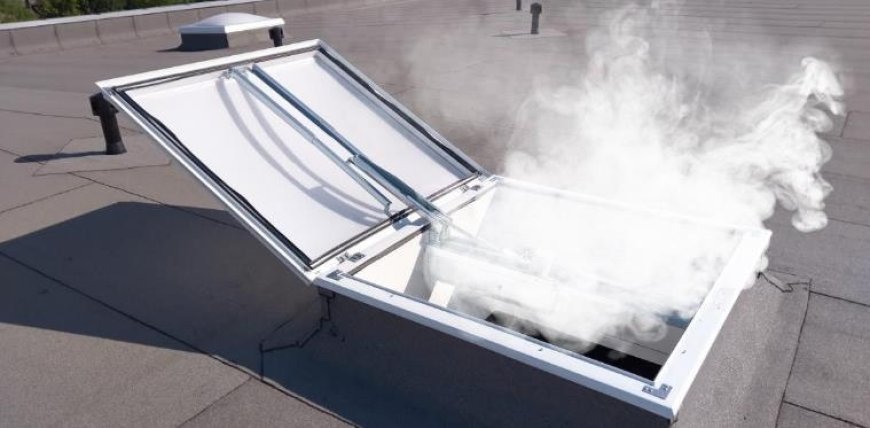
Smoke vents are specialized systems installed in buildings to release smoke, heat, and toxic gases generated during a fire. These vents are typically integrated into the roof or walls of a structure and can be manually or automatically operated. They work by creating an opening that allows smoke to escape, preventing it from accumulating inside the building. This is crucial because smoke inhalation is a leading cause of fatalities in fires, and excessive heat can weaken structural components, leading to collapse.
At Shandong Wanneng Group, we recognize the importance of integrating smoke vents with other safety infrastructure, such as our durable SMC panel water tanks. These tanks store water for firefighting systems, ensuring a reliable water supply during emergencies. Together, smoke vents and water tanks create a comprehensive safety network, addressing both smoke control and fire suppression.
How Smoke Vents Work
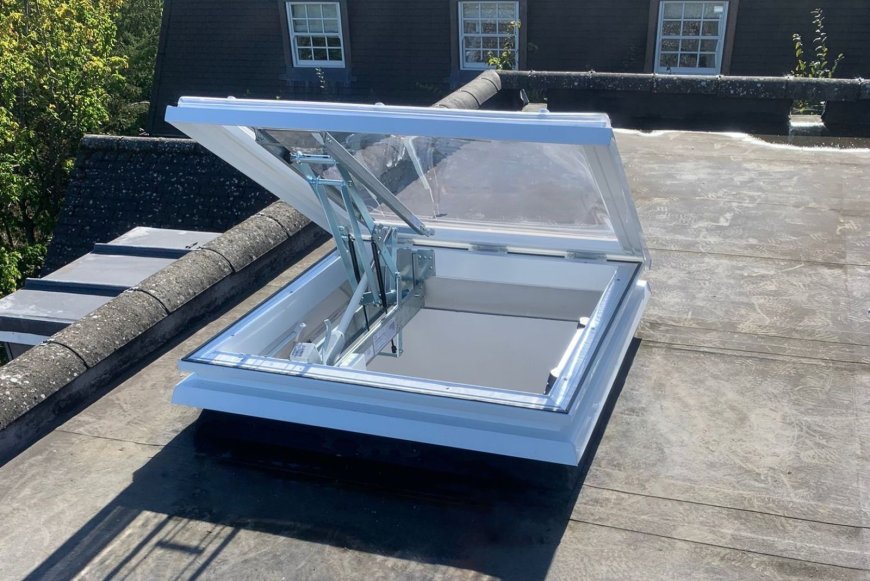
Smoke vents operate on the principle of natural or mechanical ventilation. Natural smoke vents rely on the buoyancy of hot smoke, which rises and exits through strategically placed openings. These vents are often equipped with fusible links or heat-sensitive mechanisms that open automatically when a certain temperature is reached. Mechanical smoke vents, on the other hand, use fans or powered exhaust systems to actively remove smoke, offering greater control in larger or more complex buildings.
The design of smoke vents is guided by strict building codes and standards, such as those set by the National Fire Protection Association (NFPA) or local regulations in Shandong Province, where our company, Shandong Wanneng Group, is based. These standards ensure that vents are sized and positioned to maximize smoke extraction while maintaining structural integrity.
Benefits of Smoke Vents
1. Enhanced Life Safety
Smoke vents significantly improve evacuation safety by maintaining clearer visibility and breathable air. By channeling smoke out of the building, they reduce the risk of smoke inhalation, which can disorient occupants and hinder escape. This is particularly important in high-occupancy buildings like shopping malls, warehouses, or industrial facilities, where Shandong Wanneng Groups water tanks are often installed to support sprinkler systems.
2. Improved Firefighting Conditions
Firefighters rely on clear access and visibility to combat fires effectively. Smoke vents help by reducing smoke density, allowing firefighters to locate the fires source more quickly. Additionally, our water tanks at Shandong Wanneng Group ensure a steady water supply for fire hoses, complementing the smoke ventilation process.
3. Property Protection
Excessive heat and smoke can cause significant damage to a buildings structure and contents. Smoke vents mitigate this by releasing heat, preventing flashovers (sudden ignition of accumulated gases) and reducing thermal stress on structural components. This protection is vital for industrial facilities where valuable equipment and materials are stored.
4. Compliance with Regulations
Building codes in many regions, including Shandong Province, mandate the installation of smoke vents in certain structures. By incorporating these systems, building owners ensure compliance, avoid penalties, and enhance overall safety. Shandong Wanneng Group supports this by providing high-quality water tanks that meet regulatory standards for firefighting systems, creating a holistic safety approach.
Integration with Firefighting Systems
At Shandong Wanneng Group, we emphasize the synergy between smoke vents and firefighting systems. Our SMC panel water tanks, made from food-grade resin and mechanically pressed for durability, are ideal for storing water used in sprinkler systems, fire hydrants, and other suppression tools. When paired with smoke vents, these systems work together to address both the fire and its byproducts. For example, while smoke vents clear the air, water from our tanks can extinguish flames, creating a safer environment for occupants and responders.
In large facilities, such as those in Dezhou City where Shandong Wanneng Group operates, combining these systems is critical. Our water tanks, available in capacities from 1 to 1000 cubic meters, are customizable to meet the specific needs of any building, ensuring seamless integration with smoke ventilation systems.
Types of Smoke Vents
1. Natural Smoke Vents
These vents rely on natural airflow and are cost-effective for smaller buildings. They are often used in warehouses or single-story structures and are activated by heat-sensitive mechanisms.
2. Mechanical Smoke Vents
Larger buildings, such as high-rise offices or factories, require mechanical vents with powered fans. These systems are more complex but offer precise control over smoke extraction, making them ideal for environments with high fire risks.
3. Smoke Curtains and Partitions
In some cases, smoke vents are paired with curtains or partitions to contain smoke within specific zones, protecting unaffected areas. This is particularly useful in large open spaces like shopping malls or atriums.
Maintenance and Quality Assurance
Proper maintenance of smoke vents is essential to ensure their reliability during emergencies. Regular inspections, cleaning, and testing of activation mechanisms are necessary to prevent malfunctions. At Shandong Wanneng Group, we apply the same rigorous quality standards to our water tanks as we recommend for smoke vents. Our production process, monitored by professionals in our 270,000-square-meter facility, ensures that every product meets stringent safety and quality guidelines.
Shandong Wanneng Groups Commitment to Safety
Located in Luquantun Industrial Development Zone, Dezhou City, Shandong Wanneng Group is a leader in manufacturing water tanks and other building solutions. With a registered capital of 78 million yuan and over 800 employees, including 296 technicians and 35 senior engineers, we are committed to delivering products that enhance safety and reliability. Our SMC panel water tanks are designed to support firefighting efforts, complementing smoke vent systems to create safer buildings.
Our strategic location near major transportation routes, such as the Beijing-Pukou Railway and the Beijing-Hangzhou Grand Canal, allows us to efficiently serve clients across China and beyond. By combining our expertise in water tank manufacturing with an understanding of complementary safety systems like smoke vents, we help our clients achieve comprehensive fire safety solutions.
Challenges and Considerations
While smoke vents are highly effective, their installation and maintenance come with challenges. Proper placement is critical to avoid interference with other building systems, and incorrect sizing can reduce their effectiveness. Additionally, in regions with extreme weather, such as Shandongs coastal areas, vents must be designed to withstand environmental factors like high winds or heavy rain.
At Shandong Wanneng Group, we address similar challenges in our water tank designs by using durable materials and advanced manufacturing techniques. Our experience in creating reliable, weather-resistant products informs our advocacy for robust smoke vent systems that meet the unique needs of each building.
Future Trends in Smoke Vent Technology
Advancements in smoke vent technology are making these systems smarter and more efficient. Automated vents with integrated sensors can now detect smoke and heat levels in real-time, adjusting their operation dynamically. Additionally, eco-friendly designs are emerging, with vents that minimize energy consumption while maintaining performance.
At Shandong Wanneng Group, we are exploring similar innovations in our water tank designs, such as incorporating smart monitoring systems to track water levels and quality. These advancements align with our mission to provide sustainable, high-performance solutions for modern buildings.
Conclusion
Smoke vents are a cornerstone of fire safety, working in tandem with systems like Shandong Wanneng Groups water tanks to protect lives and property. By ensuring clear evacuation routes, improving firefighting conditions, and reducing property damage, smoke vents are indispensable in modern buildings. As a trusted manufacturer in Dezhou City, Shandong Wanneng Group is proud to support fire safety through our high-quality water tanks, which complement smoke vent systems to create safer, more resilient structures. By investing in these integrated solutions, building owners can enhance safety, ensure compliance, and protect their investments for years to come.