














The Environmental Impact of Fencing: A Fence Company’s Sustainable Guide
This guide explores the environmental impact of fencing and practical steps you can take to minimize your footprint.

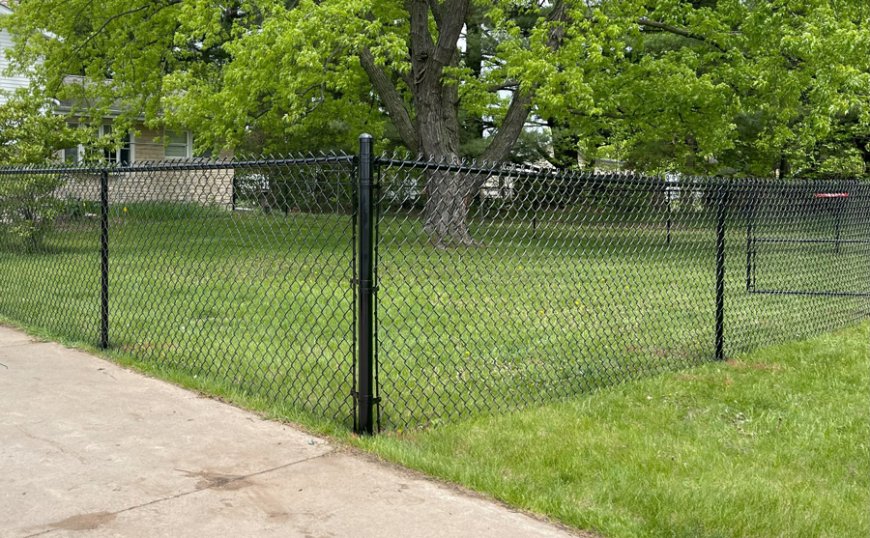
Fencing protects your property, provides privacy, and enhances curb appeal, but it also impacts the environment in various ways. From material choices and manufacturing processes to disposal and maintenance, understanding these impacts helps homeowners make responsible choices for their properties.
A professional fence company can guide you in choosing sustainable fencing options that align with your values while meeting your functional needs.
Understanding the Environmental Impact of Fencing
Fencing impacts the environment throughout its lifecycle:
-
Material extraction and processing contribute to emissions and habitat disruption.
-
Transportation increases carbon footprint.
-
Installation and disposal affect landfill waste.
-
Maintenance may involve chemicals that impact soil and water.
A responsible approach to fencing involves considering these factors and working with a fence company committed to sustainable practices.
Most Common Fence Materials and Their Environmental Impact
1. Wood Fencing
Impact:
-
Requires timber, contributing to deforestation if not sourced sustainably.
-
Needs regular staining or sealing, which may involve chemicals.
-
Biodegradable at end of life but may have treated components that affect soil.
Sustainable approach:
-
Use FSC-certified or reclaimed wood.
-
Choose eco-friendly stains and sealants.
-
Plan for recycling or composting untreated wood at the end of its lifespan.
2. Vinyl Fencing
Impact:
-
Made from PVC, which is energy-intensive to produce.
-
Non-biodegradable, contributing to landfill issues.
-
Low maintenance, reducing chemical use during its lifespan.
Sustainable approach:
-
Choose manufacturers using recycled PVC.
-
Opt for long-lasting designs to reduce replacement frequency.
-
Recycle PVC fencing if possible at end of life.
3. Metal Fencing (Aluminum, Steel, Wrought Iron)
Impact:
-
High energy use during extraction and processing.
-
Durable, reducing the need for frequent replacement.
-
Fully recyclable at the end of life.
Sustainable approach:
-
Choose recycled metal materials.
-
Maintain regularly to extend lifespan and avoid corrosion.
-
Recycle fencing when replacing.
4. Composite Fencing
Impact:
-
Made from recycled wood fibers and plastic.
-
Durable and low maintenance, reducing replacement and chemical treatments.
-
Can be difficult to recycle at end of life.
Sustainable approach:
-
Select high-quality composite with high recycled content.
-
Maintain properly to maximize its lifespan.
Sustainable Practices a Fence Company Can Follow
A responsible fence company can reduce environmental impact by:
-
Sourcing materials locally to reduce transportation emissions.
-
Offering FSC-certified or recycled material options.
-
Using low-VOC paints and sealants.
-
Minimizing waste during installation through precise measurements.
-
Recycling packaging and material off-cuts.
-
Educating clients on maintenance to extend the fences lifespan.
When choosing your fence company, ask about their commitment to sustainability.
Eco-Friendly Fence Options for Your Property
1. Living Fences
Using shrubs, trees, or bamboo as natural fencing reduces material waste and offers:
-
Carbon sequestration
-
Habitat for wildlife
-
Natural beauty for your landscape
2. Reclaimed Wood Fencing
Utilizing reclaimed wood:
-
Prevents new trees from being cut down
-
Adds rustic charm to your property
-
Reduces landfill waste
3. Recycled Metal Fencing
Opting for aluminum or steel with recycled content:
-
Lowers environmental impact during production
-
Provides a durable and recyclable solution at end of life
4. Sustainable Composite Fencing
Choose composites with high recycled content to balance durability and environmental responsibility.
How to Reduce the Environmental Impact of Your Fence
Homeowners can take the following steps to reduce fencings environmental footprint:
-
Plan carefully: Install only what you need to avoid excess material use.
-
Choose sustainable materials: Prioritize recycled, reclaimed, or responsibly sourced options.
-
Work with a sustainable fence company: Ensure your contractor practices waste reduction and responsible sourcing.
-
Maintain your fence properly: Extend its lifespan, reducing replacements.
-
Use eco-friendly finishes: Choose low-VOC and water-based paints or stains.
-
Recycle when replacing: Avoid sending old fencing to landfills when recyclable.
Benefits of Sustainable Fencing
Investing in eco-friendly fencing benefits you and the environment:
-
Reduces your carbon footprint.
-
Creates a healthier environment around your property.
-
Supports local wildlife and ecosystems.
-
Lowers long-term costs with durable, low-maintenance materials.
-
Enhances your propertys value by aligning with green living principles.
A knowledgeable fence company will help you balance sustainability with design and security needs.
Questions to Ask Your Fence Company About Sustainability
Before installing a fence, ask your fence company:
-
Do you offer sustainable or recycled material options?
-
Where do you source your materials?
-
What practices do you follow to reduce waste during installation?
-
Can you recycle my old fence?
-
Do you use eco-friendly finishes and treatments?
-
How can I maintain my fence in an environmentally friendly way?
Their answers will help you make an informed, responsible decision for your project.
Conclusion
Your fence protects your property, but it also impacts the environment throughout its lifecycle. By working with a fence company that prioritizes sustainability and by choosing responsible materials and maintenance practices, you can reduce your environmental footprint while enjoying the security, privacy, and beauty a fence provides.
Sustainable fencing is an investment in your property and the planet. Whether you choose reclaimed wood, recycled metal, or a living fence, small decisions today can make a significant difference for future generations.