
















Modern Office Table Design: Enhancing Productivity and Style in the Workplace

In today's evolving work culture, the role of office furniture has transformed from being merely functional to being a catalyst for productivity, comfort, and aesthetics. Among all furniture elements, the office table design plays a pivotal role in shaping an efficient workspace. Gone are the days when office tables were just plain wooden desks with drawers; today, they are intelligently crafted to support technology integration, ergonomic comfort, collaborative work, and modern aesthetics. As businesses shift toward hybrid work environments, the demand for innovative office tables that combine style and function is stronger than ever. Whether it's an executive office, a collaborative open-plan setting, or a minimalist home workspace, selecting the right office table can significantly impact employee satisfaction, creativity, and efficiency. Lets delve into what makes a great office table design and how it contributes to a high-performance work environment.
Importance of Ergonomics in Office Table Design
One of the most essential factors in office furniture today is ergonomics. Poor posture resulting from an uncomfortable or improperly designed table can lead to fatigue, back pain, and decreased productivity. A well-thought-out office table design includes height adjustability, enough leg space, and space-efficient layouts to promote healthy sitting posture. Height-adjustable tables, also known as sit-stand desks, have gained immense popularity due to their health benefits. These tables allow users to alternate between sitting and standing positions, reducing the strain on the spine and encouraging better circulation. Moreover, ergonomic office tables come with features like keyboard trays, monitor arms, and cable management systems that further enhance workplace comfort and efficiency. Companies today are investing in ergonomic designs not only to improve health outcomes but also to increase focus and employee morale, making it a win-win investment.
Materials and Finishes That Define Office Table Design
The material used in an office table design greatly influences its durability, aesthetic appeal, and maintenance. While traditional tables were mostly made from solid wood, modern office tables now include a range of materials such as engineered wood, glass, metal, and even sustainable materials like bamboo or recycled plastic. For a luxurious and timeless appeal, many executive offices still opt for solid wood or veneer finishes. However, startups and creative firms often lean toward sleek metal frames paired with matte-finish wooden tops or frosted glass to give a contemporary edge. Additionally, finishes play an important role in the look and feel of the workspace. Matte finishes provide a more understated, professional look, whereas glossy surfaces create a clean and dynamic appearance. The right material and finish combination should be chosen based on the companys branding, office culture, and functional requirements.
Office Table Designs That Suit Different Work Environments
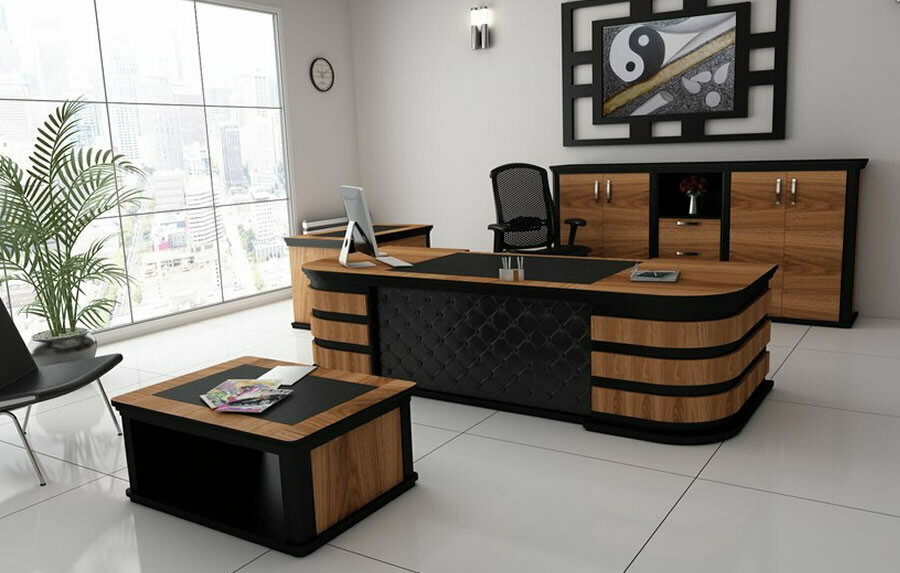
The diversity in office types has driven innovation in table design. For instance, open-plan offices benefit from modular or L-shaped desks that can be reconfigured for collaboration or individual work. These modular setups often feature shared desk spaces, partitions, and flexible arrangements that support team dynamics. In contrast, executive offices typically use large U-shaped or rectangular wooden desks that provide ample surface area and storage, projecting professionalism and authority. Then there are home offices, which are becoming more common in todays remote work culture. Here, minimalist and space-saving designs are preferred. Foldable tables, wall-mounted desks, and compact workstations are gaining traction in smaller apartments and condos. Regardless of the work environment, a good office table design prioritizes both function and aesthetics while meeting the specific demands of the workspace.
Smart and Tech-Integrated Office Table Design
Technology has permeated every aspect of our lives, and office tables are no exception. Modern office table designs now incorporate features that support seamless tech integration. These include built-in USB ports, wireless charging pads, cable trays, and even embedded LED lighting. In tech-heavy environments, managing the jungle of wires and devices becomes a challenge. Thats why smart office tables are now being designed with smart cable management systems that hide wires, prevent clutter, and reduce tripping hazards. Additionally, some advanced office tables even offer touch-screen controls for lighting or adjustable height settings. Tech-integrated tables not only improve efficiency but also reflect a futuristic and progressive office culture. As organizations continue to digitize their operations, incorporating smart solutions into office furniture is becoming a necessity rather than a luxury.
Sustainability and Eco-Friendly Office Table Options
Environmental consciousness is influencing furniture choices across the globe. Companies are now opting for sustainable office table designs that use eco-friendly materials, support long-lasting use, and minimize environmental impact. Reclaimed wood, recycled metal, low-VOC finishes, and non-toxic adhesives are being incorporated into the manufacturing process. In addition, furniture brands that offer modular tables with replaceable parts extend the lifecycle of the product, reducing the need for full replacements. Not only does this appeal to environmentally conscious customers and employees, but it also aligns with corporate social responsibility goals. For companies looking to earn green certifications or improve their environmental footprint, investing in sustainable office furniture is a smart and ethical choice. As green design becomes mainstream, eco-friendly office tables are setting new industry standards.
Customization and Aesthetic Harmony in Office Table Design
Customization is key when it comes to creating a cohesive and visually appealing workspace. Businesses have unique branding and interior themes, which can be complemented with tailor-made office table designs. Customization allows companies to choose specific dimensions, colors, materials, and features that resonate with their workplace ethos. For example, a creative agency might prefer brightly colored tables with curved edges and artistic patterns, while a law firm may opt for classic wooden tables with elegant detailing. Furthermore, coordinated office furnitureincluding chairs, storage cabinets, and partitionscan create an aesthetic harmony that enhances employee well-being and leaves a lasting impression on visitors. Its not just about looking good; a well-designed office has been shown to boost employee satisfaction and retention. Personalized office tables act as a statement of brand identity while also providing tailored functionality.
Conclusion: Choosing the Right Office Table Design for Success
In the modern workplace, the office table is more than just a piece of furnitureits an essential component of workflow, wellness, and workplace culture. From ergonomic considerations to material choices, from tech integrations to sustainability, the design of your office table can either enhance or hinder productivity. A well-chosen office table design not only supports daily tasks but also reflects the values and aspirations of your organization. Whether you're setting up a new office, renovating your current workspace, or simply updating your home office, investing in a high-quality and purpose-driven table is crucial. For companies looking to establish both comfort and professionalism, the right office table is a foundation for long-term success. And when it comes to finding quality and style in one place, Office table is a brand that meets modern business needs with reliable and elegant solutions.