
















Breaking the Silence: Why Mental Health Screening Belongs in Medical Training
Discover why mandatory mental health screening in medical education improves student wellbeing and patient care - and how schools are implementing it successfully.

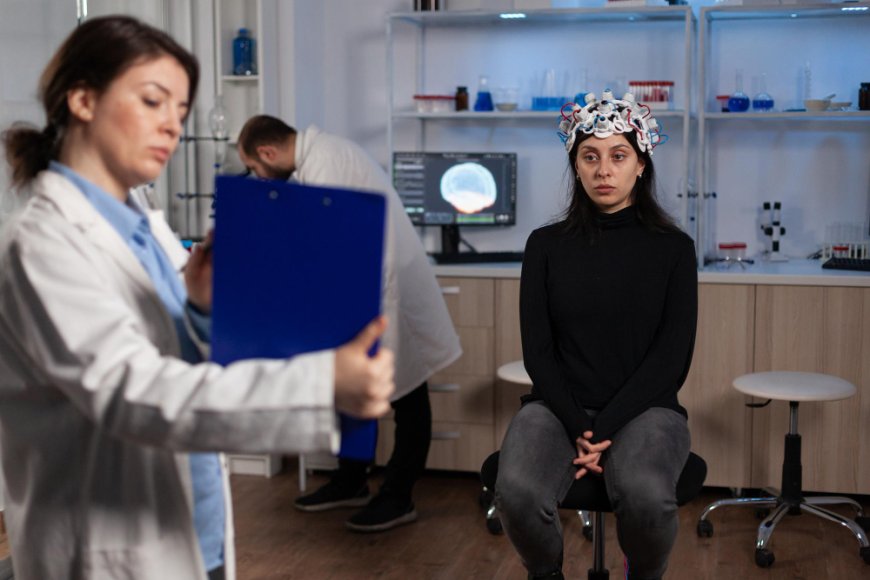
Medical training is a pressure cooker. Long hours, high stakes, and emotional fatigue push many students to their limitsyet mental health struggles often go unaddressed. Its time for a change.Breaking the Silence: Why Mental Health Screening Belongs in Medical Trainingisnt just an idea; its a necessity.
In this post, well explore:
-
Thealarming ratesof depression and burnout in med students
-
Howroutine mental health screeningcan identify at-risk learners
-
Why does early interventionbenefit both students and patients
The conversation starts here.
The Crisis We Cant Ignore
Studies show that:
-
25-30% of medical studentsexperience depression (vs. 7% of peers)
-
11% report suicidal ideationduring training
-
Only15-20% seek help, often due to stigma
Breaking the Silencemeans confronting these numbers head-on. When we normalize mental health checks, we save careers and lives.
3 Reasons Mental Health Screening Belongs in Medical Training
1. Early Detection Saves Lives
Just as we screen for physical conditions,routine mental health assessmentscan:
-
Flag depression before crisis hits
-
Connect students with counselingpreventively
-
Reduce the "tough it out" culture that leads to breakdowns
Read also: Promoting Mental Health Screening, Early Intervention in Medical Education
2. It Makes Better Doctors
Physicians with untreated mental health struggles:
-
Make5x more medical errors
-
Showreduced empathytoward patients
-
Aremore likely to leave medicine
Breaking the Silenceisnt about coddlingits about ensuring competent, present clinicians.
3. It Destigmatizes Help-Seeking
When screenings aremandatory and normalized:
-
Students view mental care asroutine maintenance
-
The "weakness" stereotype crumbles
-
Institutions takeaccountabilityfor student well-being
How to Implement Effective Screening Programs
Step 1: Integrate Anonymous Screenings
-
Use validated tools (PHQ-9, GAD-7) during orientation/check-ins
-
Ensureconfidentialityto build trust
Step 2: Provide Immediate Support Channels
-
Embed counselors in academic departments
-
Offerpeer mentorship programs
Step 3: Train Faculty to Respond
Teach preceptors to:
-
Recognize warning signs (withdrawal, irritability)
-
Refer compassionatelywithout academic penalty
Breaking the Silenceworks when systemsnot just individualschange.
Read also: The Silent Crisis: Mental Health Struggles of Medical Students & How We Can Help
Success Stories: Schools Leading the Way
-
Harvard Medical School: Mandatory wellness check-ins + protected "mental health days"
-
UCSFs Healer Education Assessment & Referral (HEAR) Program: Reduced suicidal ideation by30%
-
University of Michigan: Anonymous screening withreal-time therapist matching
These models provemental health screening in medical trainingis feasible and transformative.
Overcoming Common Objections
"Its Too Expensive"
-
The cost ofstudent attrition(up to $500K per dropout) far outweighs program expenses
"Students Will Game the System"
-
Data shows <2% misuse of screenings when framed ashealth optimization
"Its Not Our Responsibility"
-
Accreditation bodies (LCME) now require wellness initiativesits the future of med ed
Conclusion: Silence Isnt Strength
Breaking the Silence: Why Mental Health Screening Belongs in Medical Trainingisnt revolutionaryits common sense. By making mental health visible:
-
Weretain talented future physicians
-
Deliversafer patient care
-
Honor medicines oath:"First, do no harm"starting with ourselves