














How to Visit the New Orleans Jazz Museum
How to Visit the New Orleans Jazz Museum The New Orleans Jazz Museum is more than a collection of instruments, photographs, and recordings—it is a living archive of American culture, a sanctuary for the birthplace of jazz, and a tribute to the generations of musicians who turned rhythm into revolution. Located in the heart of the historic French Quarter at the Old U.S. Mint, this museum offers vis

How to Visit the New Orleans Jazz Museum
The New Orleans Jazz Museum is more than a collection of instruments, photographs, and recordingsit is a living archive of American culture, a sanctuary for the birthplace of jazz, and a tribute to the generations of musicians who turned rhythm into revolution. Located in the heart of the historic French Quarter at the Old U.S. Mint, this museum offers visitors an immersive journey through the evolution of jazz from its African and Caribbean roots to its global influence today. Whether youre a lifelong jazz enthusiast, a first-time traveler to New Orleans, or a student of music history, understanding how to visit the New Orleans Jazz Museum is essential to experiencing one of the most authentic cultural institutions in the United States.
Visiting the museum isnt just about walking through exhibit hallsits about engaging with a sonic legacy that shaped modern music. From live performances in the performance space to rare artifacts like Louis Armstrongs first cornet and Jelly Roll Mortons handwritten scores, every corner of the museum tells a story. But to fully appreciate what the museum offers, you need more than a ticket. You need context, timing, preparation, and an open mind. This guide provides a comprehensive, step-by-step roadmap to ensure your visit is not only seamless but deeply enriching.
Step-by-Step Guide
Plan Your Visit in Advance
Before setting foot in the French Quarter, begin by researching the museums operating hours and seasonal variations. The New Orleans Jazz Museum is open Tuesday through Sunday, from 10:00 a.m. to 5:00 p.m., and closed on major holidays such as Thanksgiving, Christmas Day, and New Years Day. Hours may extend during festivals like Jazz Fest or Mardi Gras, so always verify the official website before your trip.
Consider the time of year. Spring (MarchMay) and fall (SeptemberNovember) offer the most pleasant weather and fewer crowds. Summer can be hot and humid, and winter may bring occasional rain, but indoor exhibits remain accessible year-round. Booking your tickets online in advance not only guarantees entry but often provides a small discount and allows you to skip the ticket line during peak hours.
Choose Your Admission Option
The museum offers multiple admission tiers to suit different interests and budgets. The general admission ticket grants access to all permanent and rotating exhibits, including the interactive listening stations, archival displays, and the historic Mint building itself. For those seeking a deeper experience, the Jazz Insider pass includes a 30-minute guided tour led by a museum educator, priority seating at live performances, and a curated pamphlet with artist bios and playlist recommendations.
Children under 12 receive free admission, and students with valid ID qualify for a reduced rate. Seniors aged 65 and older also benefit from discounted pricing. Members of the Louisiana Endowment for the Humanities or the American Alliance of Museums may receive complimentary entry with proper identification. Always ask about group rates if traveling with six or more peoplethese can be arranged via the museums website.
Arrive at the Right Location
The New Orleans Jazz Museum is housed in the historic Old U.S. Mint, located at 400 Esplanade Avenue, New Orleans, LA 70116. This architectural landmark, built in 1835, is one of the few surviving federal mints from the 19th century and is listed on the National Register of Historic Places. Its grand colonnades and massive stone walls echo the weight and resonance of the music within.
If youre driving, parking is available on-site in the museums dedicated lot, though spaces are limited. Street parking along Esplanade Avenue and nearby streets is metered and regulatedbe sure to read signs carefully, as enforcement is strict. Alternatively, use ride-share services like Uber or Lyft, which have designated drop-off zones near the main entrance.
Public transportation is also a viable option. The RTA Streetcar Line runs along St. Charles Avenue and connects to the Canal Street line, which stops just a few blocks from the museum. The Canal Streetcar is scenic, affordable, and culturally immersiveriding it is part of the New Orleans experience.
Begin Your Tour at the Welcome Center
Upon arrival, enter through the main entrance under the portico. The Welcome Center, located just inside, is staffed by knowledgeable volunteers and museum ambassadors who can answer questions, provide maps, and recommend must-see exhibits based on your interests. Pick up a printed guide or download the museums official mobile appboth include audio descriptions, QR codes linking to archival recordings, and interactive timelines.
Dont rush. Take a moment to absorb the architecture. The Mints original vaults, now repurposed as soundproof listening rooms, are among the most atmospheric spaces in the museum. The vault doorsstill intactare made of solid steel and weigh over two tons. Standing beside them, you can almost hear the echoes of the jazz legends who once played nearby.
Explore the Permanent Exhibits
The museums permanent collection is divided into five thematic galleries, each designed to tell a chapter of jazzs evolution:
- Roots of Jazz: This gallery traces the musical lineage from West African drumming traditions to Congo Square, where enslaved Africans gathered in the 18th and 19th centuries to play music, dance, and preserve cultural identity. Artifacts include replica drums, handwritten spirituals, and oral history recordings from descendants of those who performed in Congo Square.
- Birth of a Sound: Here, youll encounter the early pioneersBuddy Bolden, Jelly Roll Morton, and Sidney Bechet. Original sheet music, vintage phonographs, and rare photographs illustrate how improvisation became a defining trait of jazz. A touchscreen interactive allows you to layer rhythms and melodies to understand how early jazz ensembles constructed their sound.
- The Swing Era: This section highlights the 1920s1940s, when jazz became Americas popular music. Features include a replica of a 1930s dance hall, a rotating display of swing-era costumes, and recordings of Duke Ellington, Count Basie, and Ella Fitzgerald. A dedicated listening booth lets you compare live recordings from Preservation Hall and Carnegie Hall.
- Bebop and Beyond: Dive into the post-war revolution led by Charlie Parker, Dizzy Gillespie, and Thelonious Monk. The exhibit explores how bebops complex harmonies and fast tempos broke from mainstream jazz, paving the way for modern jazz, fusion, and even hip-hop. Original instruments from this eraincluding a 1947 Charlie Parker alto saxophoneare displayed under climate-controlled glass.
- Jazz Today: This gallery connects the past to the present, showcasing contemporary New Orleans artists such as Trombone Shorty, Kermit Ruffins, and the Rebirth Brass Band. Video interviews, recent album covers, and live performance clips demonstrate how jazz continues to evolve through collaboration with hip-hop, R&B, and electronic music.
Each gallery includes tactile elements for visually impaired visitors, Braille labels, and audio guides available in English, French, and Spanish.
Attend a Live Performance
One of the museums most distinctive features is its daily live performances in the historic auditorium. These arent rehearsed tourist showsthey are authentic, unfiltered sessions by local musicians, often featuring alumni of the New Orleans Jazz & Heritage Festival. Performances occur Monday through Saturday at 2:00 p.m. and 4:00 p.m., with occasional Sunday matinees during peak season.
Seating is first-come, first-served, but arriving 1520 minutes early ensures a good view. The auditorium seats 120 and features acoustics designed to replicate the intimate sound of a 1920s club. No amplification is usedjust raw, unfiltered instruments. You might hear a trumpet solo that hasnt been recorded in over 80 years.
Dont be surprised if musicians interact with the audience, share stories, or invite guests to clap along. This is jazz as it was meant to be experienced: alive, spontaneous, and communal.
Engage with the Archives and Research Center
For those with academic or personal research interests, the museum houses the New Orleans Jazz Archive, one of the largest collections of jazz-related materials in the world. Open by appointment only, the archive includes over 12,000 recordings, 8,000 photographs, 3,000 oral histories, and 1,500 original manuscripts.
Researchers can request access to rare materials such as unissued recordings from the 1940s, letters from Louis Armstrong to his manager, or handwritten arrangements by Sidney Bechet. Digital scans are available for non-sensitive items, and staff archivists can assist with navigating the catalog.
Even if youre not conducting formal research, browsing the digital kiosks in the archive lounge offers fascinating insights. You can listen to interviews with musicians who played with Fats Domino or watch restored footage of early jazz funerals.
Visit the Museum Shop
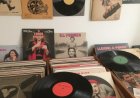
Before departing, stop by the museum shop, which is curated to reflect the spirit of New Orleans jazz. Youll find vinyl records from local artists, handcrafted instruments made by New Orleans luthiers, books by jazz historians, and limited-edition prints of vintage concert posters. Proceeds from the shop directly support the museums educational programs and preservation efforts.
Dont miss the Jazz in a Box collectiona curated set of three vinyl records, a custom playlist, and a booklet explaining the historical context of each track. Its the perfect souvenir for those who want to continue the experience at home.
Extend Your Experience Beyond the Walls
The museum is designed to be a starting point, not an endpoint. After your visit, consider walking to nearby landmarks that shaped jazz history: Congo Square (just a 10-minute stroll), Preservation Hall (a 5-minute walk), or the Frenchmen Street music scene. Many local tour operators offer Jazz History Walking Tours that begin at the museum and include stops at historic clubs, burial sites of jazz pioneers, and locations where iconic recordings were made.
Download the museums mobile app to unlock a self-guided audio tour of the French Quarters jazz landmarks. The app includes GPS-triggered stories, historical photos, and embedded audio clips that play as you walk past the exact locations where the music was born.
Best Practices
Respect the Space and the Sound
Jazz is not background noiseit is sacred expression. During live performances, silence your phone completely. Avoid talking during solos. Applaud after a complete piece, not between phrases. These are not rules of etiquettethey are acts of reverence for the musicians who carry a centuries-old tradition.
Arrive Early for the Best Experience
Weekend afternoons and festival seasons draw large crowds. Arriving at opening time (10:00 a.m.) ensures you have the space to explore exhibits without congestion. Youll also have more time to sit in the listening booths, read labels thoroughly, and engage with staff without feeling rushed.
Wear Comfortable Shoes and Light Clothing
The museum is spread across multiple floors and historic corridors with uneven flooring. Comfortable, closed-toe shoes are recommended. New Orleans humidity can be intense, so dress in breathable fabrics. The building is air-conditioned, but outdoor exploration after your visit requires sun protection and hydration.
Bring a Notebook or Journal
Many visitors find that writing down their thoughtswhat they heard, what moved them, what surprised themdeepens their connection to the material. The museum encourages reflection. There are no right or wrong interpretations of jazz. Your personal response is part of the legacy.
Ask Questions
The museum staff are passionate educators, not just ticket-takers. If you hear a phrase you dont understandlike second line or call and responseask. If youre curious about a musicians influence, inquire. The staff are trained to tailor explanations to your level of knowledge, whether youre a novice or a scholar.
Support Local Artists
When you attend a performance, tip the musicians. When you buy a record or book, choose local creators. When you share your experience on social media, tag the museum and the artists. Your support helps sustain the living culture that the museum preserves.
Visit During Off-Peak Seasons for Deeper Engagement
While Jazz Fest and Mardi Gras bring energy, they also bring crowds. Visiting in January, February, or early September allows for quieter exploration, longer conversations with staff, and more time in the listening rooms. Youre more likely to have a private moment with a rare recording or an extended chat with a docent.
Combine Your Visit with Other Cultural Sites
Plan a full cultural day. After the museum, visit the Louisiana State Museums Cabildo next door, which explores the citys colonial past. Or walk to the National WWII Museum, which offers powerful exhibits on African American soldiers who carried jazz overseas during the war. These sites, when visited together, provide a richer understanding of how jazz intersected with broader American history.
Tools and Resources
Official Website and Mobile App
The New Orleans Jazz Museums official website (www.neworleansjazzmuseum.org) is the most reliable source for hours, ticketing, event calendars, and educational resources. The site is optimized for accessibility, with screen-reader compatibility, text-to-speech options, and high-contrast modes.
The mobile app, available for iOS and Android, enhances your visit with features such as:
- Audio tours in multiple languages
- Interactive timeline of jazz history
- Location-based alerts for nearby performances
- QR code access to digitized archival materials
- Personalized playlists based on your favorite artists
Download the app before your visit to unlock exclusive content and save data.
Recommended Reading
For deeper context, consider these foundational texts:
- Jazz: A History of Americas Music by Geoffrey C. Ward and Ken Burns
- Black Music in the Harlem Renaissance by Samuel A. Floyd Jr.
- King of the Delta Blues Singers: The Life and Music of Robert Johnson by Stephen Calt
- But Beautiful: A Book About Jazz by Geoff Dyer
- The New Orleans Jazz Scene: A Cultural History by Bruce Raeburn
Many of these are available in the museum shop or through the librarys digital lending program.
Online Archives and Databases
Explore these free digital resources to extend your learning:
- Library of Congress: National Jukebox Over 10,000 historical jazz recordings from 19001925
- Smithsonian Folkways Recordings Field recordings of New Orleans street musicians and funeral bands
- Internet Archive: New Orleans Jazz Collection Digitized oral histories and concert tapes
- University of New Orleans Jazz Archive Digitized manuscripts and photographs available for public use
Podcasts and Documentaries
Supplement your visit with these media resources:
- The Jazz Session Interviews with contemporary New Orleans musicians
- Jazz Night in America NPRs weekly program featuring live recordings from Preservation Hall
- Ken Burns: Jazz The 10-part PBS documentary series (available on PBS Passport)
- When the Levees Broke Spike Lees documentary on post-Katrina jazz revival
Language and Cultural Glossary
To fully appreciate the exhibits, familiarize yourself with key terms:
- Second Line: A traditional New Orleans parade style featuring a brass band and spontaneous dancing by community members.
- Call and Response: A musical structure where a lead instrument or voice plays a phrase, and another responds.
- Swing Feel: A rhythmic interpretation where eighth notes are played unevenly, creating a loping groove.
- Creole: A cultural and linguistic identity of mixed African, French, Spanish, and Native American descent that heavily influenced early jazz.
- Improvisation: The spontaneous creation of melodies during performance, central to jazzs identity.
Real Examples
Example 1: The Student Who Discovered Her Ancestry
In 2022, a 19-year-old college student from Baton Rouge visited the museum on a class trip. While exploring the Roots of Jazz gallery, she noticed a photograph labeled Congo Square, 1885Dance of the Bamboula. The woman in the center, dressed in a headwrap and holding a drum, bore a striking resemblance to her great-great-grandmother, whose family oral history claimed she had danced in Congo Square. She asked a museum archivist for help. After cross-referencing family names with digitized census records, the archivist confirmed the woman in the photo was her ancestor. The student was moved to tears. The museum provided her with a digital copy of the photo and a copy of the oral history interview her great-grandmother had recorded in the 1970s. That visit transformed her academic focusfrom business to ethnomusicology.
Example 2: The Tourist Who Found a New Passion
A retired engineer from Ohio visited the museum with his wife during a cross-country road trip. He had never listened to jazz before. He wandered into the Bebop gallery, sat in a listening booth, and played a 1952 recording of Charlie Parkers Ornithology. He didnt understand the complexity at firstbut he kept listening. He returned to the booth three times that day. By the end of his visit, he bought a beginners saxophone and enrolled in an online jazz theory course. He returned the following year, this time with a notebook full of questions. He now leads monthly jazz listening circles in his retirement community.
Example 3: The Musician Who Returned Home
A jazz trumpeter from Paris, raised on American jazz recordings, traveled to New Orleans to trace the origins of his favorite solos. He visited the museum and spent two days in the archive, listening to recordings of early New Orleans trumpeters. He found a 1917 wax cylinder of a performance by Freddie Keppardwhose style he had been trying to emulate for years. The museum staff helped him connect with a local mentor, a 78-year-old trumpeter who had played with Keppards protgs. Within a week, he was invited to sit in at a Frenchmen Street jam session. He recorded the night, sent the track to his conservatory in Paris, and titled it From the Archive to the Alley.
Example 4: The Teacher Who Built a Curriculum
A high school music teacher from Atlanta visited the museum as part of a professional development grant. She spent a week working with museum educators to develop a 10-week jazz curriculum for her students. She used the museums lesson plans, which include primary source analysis, listening exercises, and improvisation workshops. Her students performed a Jazz History Day concert at the school, incorporating original compositions based on museum artifacts. The schools program was later featured on the museums educational outreach page.
FAQs
Do I need to book tickets in advance?
While walk-in visitors are welcome, booking online in advance is strongly recommended, especially on weekends and during festival seasons. Online tickets often include a small discount and allow you to bypass ticket lines.
Is the museum wheelchair accessible?
Yes. The entire museum is fully ADA-compliant, with ramps, elevators, accessible restrooms, and hearing loops in the auditorium. Wheelchairs are available upon request at the Welcome Center.
Can I take photographs inside?
Photography is permitted for personal use in all public areas, except where signage indicates otherwise. Flash, tripods, and commercial photography require prior permission. Always respect the privacy of performers during live shows.
Are there guided tours available?
Yes. Daily guided tours are included with the Jazz Insider ticket. Private group tours can be scheduled in advance for schools, clubs, and organizations. Tours last approximately 60 minutes and focus on specific themes like women in jazz or the role of religion in jazz development.
Can children visit?
Absolutely. The museum offers a Jazz Kids interactive zone with musical instruments to play, coloring activities, and storytelling sessions. Children under 12 enter free of charge.
How long should I plan to spend at the museum?
Most visitors spend 23 hours exploring the exhibits. If you attend a live performance and spend time in the listening rooms or archive lounge, plan for 45 hours. For researchers or deep-dive visitors, a full day is not uncommon.
Is the museum open on holidays?
The museum is closed on Thanksgiving Day, Christmas Day, and New Years Day. It may have reduced hours on other major holidaysalways check the website before visiting.
Can I bring food or drinks inside?
Food and beverages (except water in sealed containers) are not permitted in the exhibit halls. There is a small caf next door at the Old U.S. Mint complex that serves local specialties like beignets, poboys, and sweet tea.
Are there any virtual options if I cant visit in person?
Yes. The museum offers virtual tours, online exhibitions, and live-streamed performances through its website. Educational packages are available for schools and libraries worldwide.
How is the museum funded?
The New Orleans Jazz Museum is operated by the Louisiana State Museum system and receives support from private donors, federal grants, and community partnerships. It does not receive state funding for operations, making visitor support critical to its survival.
Conclusion
Visiting the New Orleans Jazz Museum is not a passive experienceit is an act of cultural participation. Every instrument on display was once played with passion. Every photograph captures a moment when music defied oppression. Every note you hear in the auditorium carries the weight of history and the promise of innovation.
This guide has walked you through the practical steps of planning your visit, the ethical practices of engagement, the tools to deepen your understanding, and the real human stories that illustrate why this museum matters. But the most important step is the one you take when you walk through the doors.
Let the music move you. Ask questions. Listen closely. Share what you learn. And when you leave, carry the spirit of jazz with younot as a relic, but as a living tradition. Because jazz was never meant to be preserved behind glass. It was meant to be played, passed on, and reimagined.
So go. Visit the New Orleans Jazz Museum. And let the rhythm find you.