














How to Find Cajun Music Venues in New Orleans
How to Find Cajun Music Venues in New Orleans Cajun music is more than a genre—it’s a cultural heartbeat. Rooted in the Acadian traditions of Louisiana’s rural communities, this vibrant sound blends fiddles, accordions, and rhythmic vocals that tell stories of love, loss, and resilience. In New Orleans, where musical heritage runs deeper than the Mississippi, Cajun music finds a dynamic, if someti

How to Find Cajun Music Venues in New Orleans
Cajun music is more than a genreits a cultural heartbeat. Rooted in the Acadian traditions of Louisianas rural communities, this vibrant sound blends fiddles, accordions, and rhythmic vocals that tell stories of love, loss, and resilience. In New Orleans, where musical heritage runs deeper than the Mississippi, Cajun music finds a dynamic, if sometimes unexpected, home among the citys broader Creole and zydeco rhythms. Finding authentic Cajun music venues in New Orleans isnt always as simple as following a tourist map. It requires knowing where to look, when to go, and how to distinguish genuine performances from commercialized imitations. This guide offers a comprehensive, step-by-step roadmap to uncovering the citys best-kept secrets for experiencing real Cajun music livewhether youre a first-time visitor or a seasoned music explorer.
Step-by-Step Guide
Understand the Difference Between Cajun, Zydeco, and Creole Music
Before you begin your search, its essential to distinguish Cajun music from its close relatives. Cajun music originates from French-speaking Acadians who settled in southwest Louisiana after being expelled from Canada in the 18th century. It typically features the fiddle and diatonic accordion, with lyrics in Cajun French. Zydeco, on the other hand, evolved from Creole communities and incorporates blues, R&B, and African rhythms, often featuring the rubboard (frottoir) and electric instruments. Creole music is broader and can include both influences. Many venues in New Orleans advertise Cajun music but actually feature zydeco or a fusion. To find true Cajun performances, look for acts that emphasize traditional instrumentation, French-language vocals, and acoustic arrangements. This distinction will save you time and lead you to more authentic experiences.
Start with Local Music Blogs and Cultural Websites
One of the most reliable ways to find upcoming Cajun music events is by consulting niche cultural blogs and Louisiana-specific music platforms. Websites like OffBeat Magazine, Louisiana Music Factory, and Where YAt Magazine regularly publish event calendars curated by locals who understand the scene. These sources often list performances at small clubs, backyard jam sessions, and community halls that dont appear on mainstream tourism sites. Bookmark these sites and check them weeklyCajun events are often announced with short notice, especially during festival seasons like the New Orleans Jazz & Heritage Festival or the annual Festival International de Louisiane in Lafayette.
Use Google Maps with Strategic Search Terms
Google Maps is a powerful tool when used with precision. Instead of searching Cajun music New Orleans, try more specific queries like Cajun accordion live music, French-speaking Cajun band, or Cajun dance night New Orleans. Filter results by Open now or Today to see whats currently happening. Pay attention to venues with consistent reviews mentioning authentic, traditional, or French lyrics. Avoid places with generic tags like Louisiana music or southern rock. Look for venues with fewer than 100 reviews but high ratingsthese are often local favorites that havent been overrun by tourists. Zoom in on neighborhoods like the French Quarters back alleys, Marigny, Bywater, and the 7th Ward, where many grassroots performances occur.
Check Facebook Events and Local Groups
Facebook remains one of the most active platforms for grassroots music events in Louisiana. Join groups like Cajun & Zydeco Music Lovers of New Orleans, New Orleans Live Music & Events, and Acadiana Music Scene. These communities post daily updates about pop-up gigs, house concerts, and late-night jam sessions. Many Cajun musicians dont maintain websites or Instagram pages, but they do post on Facebook when theyre playing at a friends bar or a community center. Set up notifications for these groups so you dont miss announcements. Look for posts that include photos of accordions, fiddles, and dancers in cowboy bootsthese are strong indicators of authenticity.
Visit Independent Music Stores and Record Shops
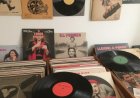
Physical spaces still matter. Visit shops like Louisiana Music Factory on Frenchmen Street or Tipitinas Records in Uptown. These arent just retail outletstheyre cultural hubs. Staff members often know which bands are playing where and when. Ask directly: Do you know any Cajun bands playing this week with traditional instrumentation? Dont settle for vague answers. A knowledgeable clerk will name specific artists like Steve Riley & the Mamou Playboys, Feufollet, or BeauSoleil, and tell you where theyre scheduled next. Many shops also have bulletin boards with flyers for upcoming showslook for hand-drawn posters with French titles and hand-stamped dates.
Follow Cajun Musicians on Instagram and YouTube
While Instagram is often used for promotion, many Cajun artists use it to share behind-the-scenes footage of rehearsals, travel, and last-minute gig changes. Search hashtags like
CajunMusicNOLA, #CajunAccordion, #CajunFrenchMusic, and #AcadianaLive. Follow musicians directlyartists like Christine Balfa or Clifton Cheniers legacy acts often post their tour schedules. YouTube is equally valuable: search for Cajun music New Orleans live 2024 and watch videos tagged with venue names. If a video shows a crowd dancing to Jolie Blonde or Allons danser Colinda in a dimly lit room with wooden floors and hanging Mardi Gras beads, youve likely found a real venue.
Attend Weekly Cajun Dance Nights
Many venues host weekly dance nights specifically for Cajun and zydeco music. These are ideal for finding authentic performances because they require a dedicated local following. The most consistent Cajun dance nights in New Orleans include:
- La Louisiane on Frenchmen Streetevery Thursday night features Cajun bands playing for dancers.
- The Spotted Cat on Frenchmencheck their schedule; they occasionally host Cajun nights with fiddle and accordion duos.
- Tipitinaswhile known for zydeco and funk, they sometimes feature Cajun legends during special events.
Go early. These nights fill up quickly, and the best music happens between 9 PM and midnight. Watch for dancersreal Cajun dancers move with a distinctive two-step, often in cowboy boots or simple dresses, and theyll know the songs even if you dont. If the crowd is dancing, youre likely in the right place.
Ask Locals at Bars and Cafs
Dont underestimate the power of conversation. Order a coffee at French Market Caf or a beer at The Bombay Club and strike up a conversation with the bartender or regulars. Ask: Where do you go to hear real Cajun musicnot the tourist stuff? Locals will often point you to hidden spots like Bayou Bar in the 7th Ward, La Petite Grocery on Frenchmen, or even a backyard gig in the Marigny. Many of these venues dont have websites or social media. They exist through word of mouthand thats where the real magic happens.
Plan Around Festival Seasons and Cultural Events
New Orleans hosts dozens of music festivals throughout the year, but not all focus on Cajun music. The most reliable for authentic Cajun performances are:
- New Orleans Jazz & Heritage Festival (AprilMay)the Cajun Stage features traditional acts like Lost Bayou Ramblers.
- Festival International de Louisiane (April in Lafayette, but many artists come to NOLA afterward).
- Cajun French Music Association Festival (July in Eunice, LAmany performers travel to NOLA for after-parties).
- Bayou Boogaloo (May on the Mississippi)often includes Cajun bands on side stages.
During these periods, venues across the city host festival overflow shows. Check local radio stations like WWOZ 90.7 FM for live updates. Their Music Calendar is updated daily and includes venues, times, and artist bios.
Use Public Transportation to Reach Off-the-Beaten-Path Venues
Many authentic Cajun venues are located outside the French Quarter, in neighborhoods like Bywater, Trem, and the 7th Ward. The New Orleans Regional Transit Authority (RTA) offers affordable bus and streetcar routes. Use the RTA app to plan trips to areas like St. Claude Avenue, where venues like Paradise Lounge and 719 Frenchmen occasionally host Cajun nights. Avoid relying on ride-share apps for late-night tripsmany musicians and venues are only accessible by public transit or walking. If youre staying downtown, take the St. Charles Streetcar to Frenchmen Street, then walk two blocks to explore side alleys.
Learn a Few Cajun French Phrases
While not required, knowing basic phrases like Bon soir (good evening), Cest bon (its good), or O est la musique? (Where is the music?) signals respect and interest. Locals appreciate the effort and are more likely to invite you to a hidden jam session or introduce you to the band. Many Cajun musicians speak French at home and switch to English only for tourists. If you hear a band singing in French and you respond with a smile and Merci, youve just unlocked a deeper level of connection.
Best Practices
Go Early, Stay Late
Cajun music often starts latemost venues dont turn on the lights for the band until 9 or 10 PM. Arrive early to secure a good spot, especially during weekends. Many performances run past midnight, and the best sets happen after the crowds thin out. The music becomes more intimate, the accordion solos longer, and the dancing more freeform.
Bring Cash
Many small venues dont accept cards. Cover charges are typically $5$10, and drinks are cheaper when paid in cash. Carry at least $20 to cover entry, a beer, and a tip for the musicians. Leaving a tip in the instrument case is customary and shows appreciation for the artistry.
Dress for the Vibe
Theres no dress code, but dressing like a local increases your chances of being welcomed. Jeans, boots, and a button-down shirt work well. Avoid touristy attire like Hawaiian shirts or oversized hats. If youre going to a dance night, wear comfortable shoesyoull be dancing on wooden floors for hours.
Respect the Space
Cajun music venues are often intimate, sometimes cramped, and always personal. Dont block the stage. Dont talk over the music. If you dont know the dance, watch and follow. Dont ask to take photos during a songwait for the break. These are not performance stages for Instagramtheyre living rooms where culture is passed down through sound.
Support the Artists
Buy CDs or vinyl at the venue. Many Cajun musicians self-produce their albums and rely on direct sales. Even a $10 purchase helps them keep playing. If you cant buy, share their name with a friend. Word of mouth is their most powerful marketing tool.
Be Patient and Open-Minded
Not every night will have a headline act. Sometimes, the best Cajun music happens when two musicians sit down after a long day and start playing for themselves. If you hear an accordion and a fiddle in the corner of a bar, sit down. Listen. You might be witnessing a moment that hasnt been recorded, and wont be repeated.
Tools and Resources
Official Resources
- WWOZ 90.7 FM The citys nonprofit radio station broadcasts live Cajun and zydeco music daily. Their website has a searchable event calendar.
- Louisiana Folklife Program A state-funded initiative that documents and promotes traditional music. Their website lists cultural events and artist directories.
- Cajun French Music Association (CFMA) Offers a national directory of Cajun bands and upcoming shows. Their newsletter is free and highly detailed.
Digital Tools
- Google Maps Use custom searches and street view to scout venues before visiting.
- Facebook Events Filter by Music and New Orleans for real-time updates.
- Spotify Playlists Search Authentic Cajun Music 2024 to identify artists who tour in the city.
- YouTube Search Cajun music New Orleans live to find videos with venue names in the description.
- Eventbrite Occasionally lists ticketed Cajun events, especially during festivals.
Print and Physical Resources
- OffBeat Magazine Monthly print edition with event listings and artist interviews.
- Where YAt Magazine Free monthly publication available at hotels and cafes.
- Louisiana Music Factory Catalog In-store and online catalog includes artist bios and tour dates.
Mobile Apps
- WWOZ App Live stream and event alerts.
- RTA New Orleans Real-time transit tracking to reach remote venues.
- SoundHound If you hear a song you like, use it to identify the artist and find their next gig.
Real Examples
Example 1: La Louisiane Thursday Night Cajun Dance
Located at 531 Frenchmen Street, La Louisiane is a narrow, unassuming bar that transforms every Thursday night. At 9:30 PM, Steve Riley & the Mamou Playboys take the stage. The room fills with locals in boots and denim. The band plays La Valse des Bons Temps and Les Vieux Chnes, both in Cajun French. The accordionist, a third-generation musician from Eunice, pauses between songs to tell stories about his grandfather. No one is filming. Everyone is dancing. A visitor who stumbled in after dinner was invited to join the two-step and left with a CD signed by the band. This is the kind of experience you wont find on TripAdvisor.
Example 2: The Backyard Jam at 719 Frenchmen
On a rainy Saturday in March, a group of musicians gathered behind 719 Frenchmena venue known for jazz and funk. They brought their fiddles, accordions, and a rubboard. The crowd was 12 people, all locals. They played for two hours without microphones. The music drifted into the street. One woman in the crowd was from Montreal and had been searching for Cajun music for three years. She found them by following a Facebook post from a friend of a friend. She later posted on Instagram: I didnt know this music existed. I didnt know I needed it.
Example 3: Festival Overflow at Tipitinas
During the 2023 Jazz Fest, the band Feufolletknown for modernizing Cajun traditionswas booked at the main stage. After their set, they played an impromptu 2 AM show at Tipitinas back room with only acoustic instruments. No tickets were sold. The door was unlocked. Those who knew were there. The performance included a 15-minute version of Allons danser Colinda, with call-and-response singing in French. A YouTube clip of the session has since garnered over 200,000 views from people who searched real Cajun music New Orleans.
Example 4: The Hidden Church Hall in Trem
Every third Sunday, the St. Augustine Church Hall hosts a Cajun music jam organized by the local French-speaking community. Its not advertised. You have to know someone. One visitor, after asking a bartender at the Bombay Club, was given a phone number. He called, spoke in broken French, and was invited. The event started at 3 PM. There were 30 people. A 90-year-old woman played accordion. Children danced. The music lasted until sunset. He later wrote: I heard the soul of Louisiana that daynot the version sold to tourists.
FAQs
Is Cajun music the same as zydeco?
No. Cajun music is rooted in French Acadian traditions and typically uses fiddle and diatonic accordion. Zydeco comes from Creole communities and features the rubboard, electric guitar, and R&B rhythms. While both are from Louisiana and often played in the same venues, they are distinct genres.
Can I hear Cajun music in the French Quarter?
Yes, but be selective. Many French Quarter bars play Louisiana music thats actually pop or rock with an accordion. Look for venues like La Louisiane or The Spotted Cat on Frenchmen Streetjust one block from the Quarterwhich are more likely to feature authentic Cajun acts.
Do I need to speak French to enjoy Cajun music?
No. The emotion, rhythm, and energy of the music transcend language. However, learning a few phrases shows respect and can lead to deeper interactions with musicians and locals.
Are Cajun music venues family-friendly?
Many are. Some venues, like church halls and community centers, welcome all ages. Bars like La Louisiane are 21+ after 9 PM, but early shows may allow minors with parents. Always check the venues policy.
Whats the best time of year to hear Cajun music in New Orleans?
Spring (MarchMay) and early fall (SeptemberOctober) are ideal. Summer is hot and busy with tourists, but festival season (AprilMay) offers the most concentrated lineup of authentic performances.
Can I find Cajun music on weeknights?
Absolutely. Many of the best performances happen on Tuesdays and Wednesdays when the crowds are smaller. Thursday nights are popular for dance events, but dont overlook Monday or Tuesday nightstheyre often the most authentic.
How do I know if a band is truly Cajun?
Look for: 1) Diatonic accordion (not piano accordion), 2) Fiddle as lead instrument, 3) French-language lyrics, 4) Traditional dance rhythms (two-step, waltz). Bands that play electric guitars and drums are likely zydeco or fusion.
What should I do if I miss a show?
Ask the bartender or venue staff for the artists name. Search their name on Facebook or YouTube. Many Cajun musicians tour regionally and return to New Orleans regularly. Follow them onlinethey often post upcoming dates.
Is it safe to go to Cajun music venues in less touristy neighborhoods?
Yes. Neighborhoods like Bywater, Trem, and the 7th Ward are vibrant, culturally rich, and generally safe, especially during music events. Use common sense: stick to well-lit areas, travel with others, and use public transit. Locals are welcoming and protective of their music spaces.
Can I bring my own instrument and join a jam?
If you play accordion, fiddle, or guitar, absolutely. Many Cajun jams are open to musicians. Bring your instrument, be humble, and ask first. Dont interrupt a songwait for a break and say, Est-ce que je peux jouer avec vous? (Can I play with you?).
Conclusion
Finding authentic Cajun music venues in New Orleans isnt about checking off a listits about tuning into a living tradition. It requires patience, curiosity, and a willingness to go beyond the guidebooks. The most powerful performances happen not in grand halls, but in back rooms, church basements, and alleyway bars where the music is played for love, not for applause. By using the tools outlined in this guidelocal blogs, Facebook groups, independent record shops, and conversations with residentsyoull move from observer to participant. Youll hear the stories in the French lyrics, feel the pulse of the two-step, and understand why this music has survived for centuries. In New Orleans, music isnt entertainment. Its memory. Its identity. And when you find the right venue, youre not just listeningyoure becoming part of the song.