













Dholera Smart City India’s Beacon of Future Urban Development
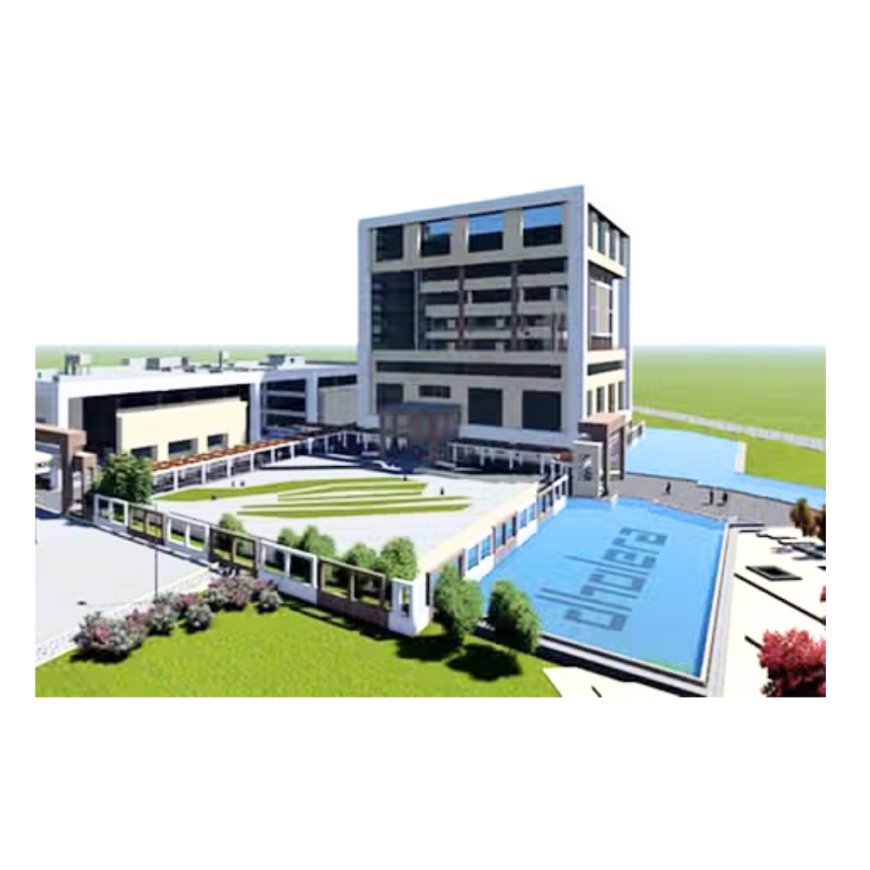
Nestled along the Gulf of Khambhat in Gujarat, Dholera Special Investment Region (DSIR) spans a sprawling920?km, with 22.5?km designated as its Activation Areathe first phase of a vision launched in2011under the DelhiMumbai Industrial Corridor (DMIC) initiative.As Indias firstgreenfield smart city, the project aims to break new ground in sustainable infrastructure, advanced technology, and economic dynamism
1. Vision & Master Plan
Dholera's master plan is a finely crafted ecosystem:
-
Strategic zoning: dedicated residential, industrial, commercial, recreational, and Special Economic Zones (SEZs)
-
Smart infrastructure: smart roads, underground utilities, IoT-based traffic systems, and 40% green and water bodies
-
Global connectivity: airport, high-speed rail, metro, and expressways included.
-
Renewable energy dedication: a 5?GW solar park slated by 2030
2. Progress & Phase?Wise Development
Phase 1: Activation Area (22.5?km)
-
Infrastructure rollout: roads, drainage, utilities, trunk infrastructure worth ?3,000?cr
-
Smart amenities: Command-and-Control Centre (CCC), smart grid, IoT networks, smart meters, and waste management
-
Industrial uptake: ReNew Power (2?GW solar), Tata Chemicals (10?GWh battery), HPCL EV charging stations, and Torrent Power distribution.
-
Airport & Expressway: construction advancing; airport scheduled by Dec 2025, expressway ready by 2024
Phase 24: Expansion & Digitization
-
Phase 2: extension of residential and industrial zones.
-
Phase 3: full smart-city integrationsmart transport, surveillance, green power, R&D hubs.
-
Phase 4: completion of airport, global SEZs, cultural infrastructure, and ongoing upgrades
-
Final expected build?out: early 2030s, with full potential by 20402042
3. Why Dholera Matters
A. Strategic Connectivity
-
Only ~100?km from Ahmedabad; prime location along DMIC
-
109?km expressway boosting economic fluidity.
-
Airport and proposed metro rails further embedDholera Smart Ctiyin national transport networks.
B. Smart & Sustainable Backbone
-
Smart grid: India's first full-scale implementationoffering real-time management, minimal blackouts, and consumer controls
-
IoT ecosystem: sensors in roads, bins, water systems, and environmental monitors connected to central systems
-
AI intelligence: predictive analytics for traffic, energy, waste and public safety
-
Green energy: 5?GW solar park; Tata Power already has a 400?MW plant operating
C. Economic & Investment Magnet
-
Special Investment Regionstatus with tax and policy incentives
-
Major corporates: Tata (semiconductor fab, solar), Tata Chemicals, Vedanta-Foxconn talks, ReNew, HPCL, Torrent, Chiripal, and others
-
Diverse industries: electronics, aerospace, EVs, biotech, defense, agriculture, pharma.
-
Job creation: anticipated employment for lakhs, with industrial, commercial and tech growth
D. Livability & Governance
-
Urban amenities: schools, hospitals, parks, community centers.
-
Smart governance model: smart city dashboards enabling responsive civic services.
-
Green living: emphasis on energy-efficient buildings, sustainable transit, and water recycling.
4. Risks & Challenges
| Challenge | Explanation |
|---|---|
| Execution delays | Large-scale projects are prone to delays and overruns |
| Flood risk | Low-lying terrain can flood in severe monsoons (e.g. Aug 2019) . |
| Data privacy | Smart city data collection needs strong protections . |
| Social inclusion | Need to ensure access for all socio-economic segments . |
5. Timing & Investment Outlook
-
Optimal investment window: 20242026early infrastructure, land availability, high appreciation potential
-
Residential vs. land: Plots offer higher upside with longer timelines; flats provide quicker access and rental returns.
-
Large industrial pull: With Tata's semiconductor facility and RE Renews solar capacity, near-term industrial demand will spur residential growth.
6. Future Vision (By 2040+)
-
Population: Designed to serve over2 million residents
-
Economy: A multi-sector industrial hubelectronics, biotech, clean energy, and logistics.
-
Global city status: Smart living, vibrant culture, international airport, SEZs, and institutional hubs.
-
Prototype role: Model city for urban planners nationally and internationally.
7. FAQs for SEO
-
What is the total area of Dholera Smart City?
~920?km, with 22.5?km in Phase 1 -
When will Dholera Airport be operational?
Targeted launch byDecember 2025 -
Is Dholera flood-prone?
Yes historic 2019 flooding shows vulnerability -
How much solar power is planned?
A 5?GW solar park to be completed by 2030; 400?MW already functional -
Which primary industries are in place?
Solar, batteries, chemicals, EV charging, distribution, biotech, electronics, defense, pharma. -
Population capacity?
Designed for ~2 million people by 2040 -
Completion timeline?
Phase 1 by ~2025; full smart build-out by20402042.
8. Final Word: A Smart Investment
Dholera Smart City isnot a speculative project, but a meticulously planned circuit of infrastructure, technology, sustainability, and investment. It's quickly becoming a magnet forglobal investors,renewable-energy infrastructure, andmanufacturing titanslike Tata & ReNew. Its connectivity, smart blueprint, and economic depth make it an ideal opportunity forearly investors, especially between 20242027.
Early moverswhether buying land or flatsstand to gain from projected growth in value, rental yield, and long-term utility. However, prudent due diligence is vital: assess land versus built-up options, consider flood-resilient planning, and verify regulatory approvals like NA and Plan Pass for residential projects.