














Understanding Electrical Transformers: Types, Benefits, and Where to Use Them
Learn how electrical transformers work, where they're used, and what types suit your power needs. Discover efficient and compliant solutions for your next project.

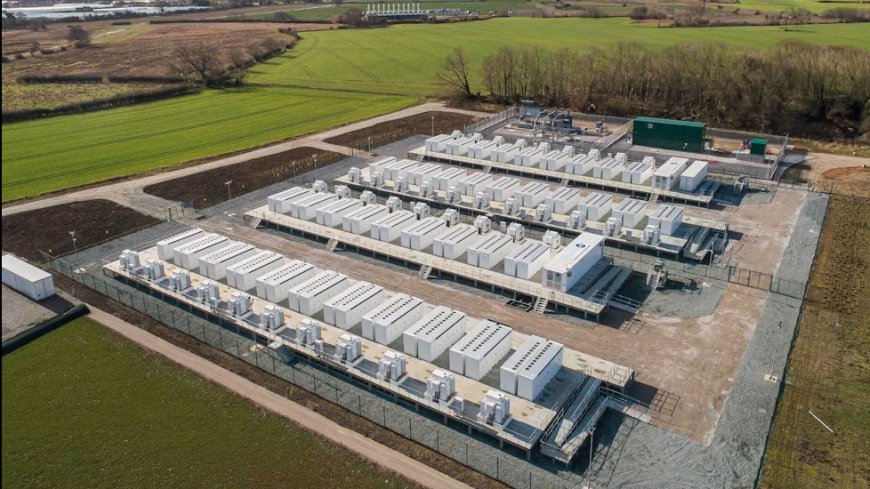
In the world of modern energy infrastructure, electrical transformers play a vital role in ensuring power is delivered safely, efficiently, and reliably across distribution networks. Whether stepping down voltage for commercial use or distributing electricity within industrial facilities, transformers are at the heart of every well-designed power system.
But what exactly are electrical transformers, how do they work, and what types are best for different applications? This guide breaks it all down while pointing you to reliable transformer solutions available in the UK.
What Are Electrical Transformers?
Electrical transformers are static devices used to transfer electrical energy between circuits through electromagnetic induction. Their primary role is to step voltage up or down between generation and usage points.
The most common application is distribution transformers, which reduce high-voltage electricity from the grid into usable levels for homes, businesses, and industrial operations.
You can explore a complete range of electrical transformers here.
Key Types of Electrical Transformers
1. Distribution Transformers
These are the most widely used in utility and commercial environments. Typically installed on poles or pads, distribution transformers deliver low-voltage power to end users.
2. Low-Loss & Eco Transformers
To improve energy efficiency and meet environmental regulations, many organisations now install low-loss electrical transformers that comply with Eco Design Tier 2 standards. These help reduce long-term electricity waste and carbon emissions.
3. Packaged Substations
When space and speed matter, packaged substations combine transformers, switchgear, and protection into a compact, factory-tested unitideal for tight urban installations or rapid deployment projects.
Benefits of High-Quality Electrical Transformers
Choosing the right electrical transformer from a trusted supplier brings several key advantages:
-
Energy Efficiency: Reduced core and copper losses translate to long-term savings
-
Reliability: High-grade insulation, cooling systems, and construction materials extend lifespan
-
Customisation: Voltage ratings, enclosure types, and accessories can be tailored to your project
-
Compliance: Meeting Tier 2 and other regulatory requirements is easier with the right transformer
-
Sustainability: Eco-efficient models support corporate carbon reduction goals
Where Are Electrical Transformers Used?
Electrical transformers are found in nearly every sector of the economy, including:
-
Manufacturing plants
-
Commercial buildings and shopping centres
-
Renewable energy sites (solar, wind)
-
Hospitals and data centres
-
Transport infrastructure (railways, airports)
In all of these environments, choosing the right transformer type and specification ensures both system reliability and energy savings.
What to Look for in a Transformer Supplier
When sourcing electrical transformers, its essential to work with suppliers that provide:
-
High-quality, compliant products
-
Engineering support for custom builds
-
Full testing and certification
-
Transparent lead times and service guarantees
-
Proven industry track record
You can start your search by viewing a wide selection of distribution transformer ranges here.
Final Thoughts
From commercial buildings to large-scale industrial operations, electrical transformers are the foundation of safe and efficient power distribution. Whether you need a standard oil-immersed model, a low-loss Eco transformer, or a compact packaged unit, selecting the right product can significantly impact your long-term operational success.