














Inside the Auto Graveyard: Where Old Cars Find New Purpose
Discover how vehicles get a second life in scrapyards. Learn what happens after we buy cars Sydney, and how each part finds new purpose in the recycling world.


Scrapyards, often called auto graveyards, are filled with vehicles that can no longer be driven. To some, they might look like forgotten machines left to decay. But behind the rows of rusted metal is a world where each vehicle has a purpose beyond the road. What may appear to be the end of a cars journey is actually the beginning of a different storyone that involves careful dismantling, reuse, and recycling.
This article explains how old cars are handled after they reach the scrapyard and why this process is important for both people and the environment.https://www.carremovalsydney.com.au/
What Is an Auto Graveyard?
An auto graveyard is a place where old, damaged, or unwanted vehicles are stored before being dismantled or recycled. These yards deal with a wide range of vehicles, from rusted family sedans to written-off trucks. Cars can end up here for many reasons, such as mechanical failure, accident damage, or simple age.
Despite how they look, these yards are carefully managed. Each vehicle is logged and tracked, and every step of the process is carried out by trained workers. The goal is to recover as many materials as possible and make use of them in other ways.
Step One: Arrival and Assessment
Once a car arrives at the yard, staff begin by checking its condition. Vehicles are sorted based on whether parts can be reused or if they should be recycled straight away. During the assessment, workers decide which items have enough life left to be removed and sold. These may include:
-
Tyres
-
Mirrors
-
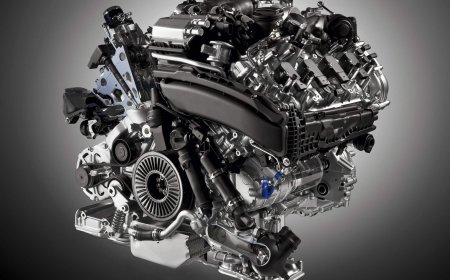
Engines
-
Gearboxes
-
Radiators
-
Lights
This step is important because it helps decide how the car will be taken apart. Some vehicles may still have working components even if they look worn out.
Step Two: Removing Fluids and Batteries
Before any car can be dismantled, all fluids must be safely drained. These include:
-
Engine oil
-
Brake fluid
-
Coolant
-
Petrol or diesel
-
Transmission oil
These liquids can be harmful if they leak into the ground or nearby water systems. They are collected using special equipment and then stored for safe disposal or treatment.
The battery is also removed early in the process. Car batteries contain acid and lead, which are both dangerous if not handled properly. Once removed, they are sent to facilities that specialise in recycling or disposal.
Step Three: Dismantling the Vehicle
After the fluids and battery are taken out, workers begin removing usable parts. This process is done by hand and requires mechanical knowledge. Some parts, like engines and gearboxes, may be tested before being sold. Others, such as panels or mirrors, are checked for damage.
These parts are then stored in a warehouse or open area of the yard. Customers, including mechanics and car owners, may visit to find a match for a repair job. In many cases, second-hand parts from these yards are the only option for older cars that are no longer in production.
Step Four: Crushing and Shredding
Once all reusable parts are removed, the rest of the car is crushed into a smaller shape to save space. This is done using heavy machines designed for this purpose. The crushed car is then sent to a shredder, where it is broken into small pieces.
These pieces are sorted by material. Magnets are used to pull out steel, while other methods help separate aluminium, copper, and plastic. Each material is then sent to a recycling plant where it is melted down and formed into something new.
Step Five: Recycling the Metal
Steel is the most common material found in vehicles. It can be reused in many ways. This includes construction, manufacturing, and even in building new vehicles. Aluminium is also valuable and can be used in car parts, cans, and building panels.
Recycling metal uses less energy than making new metal from raw materials. For example, recycling steel saves up to 74 per cent of the energy compared to producing it from iron ore. It also cuts down carbon dioxide emissions and helps reduce the need for mining.
More Than Just Scrap: Hidden Uses of Car Parts
Not all car parts are sold for reuse in other vehicles. Some materials are turned into completely different products. Here are a few examples:
-
Tyres can be shredded and used in sports surfaces or as base layers in roadworks.
-
Seat foam can be reused in carpet underlay or furniture padding.
-
Plastic panels and dashboards may be processed into plastic pellets for new moulded products.
-
Glass can be recycled into bottles, fibreglass insulation, or building materials.
Even small parts, like bolts and clips, may be melted down and used again.
Supporting the Local Cycle
Scrap yards support many people and businesses in local communities. Mechanics often buy second-hand parts from these yards to fix vehicles at a lower cost. Transport companies move scrap metal to processing plants. Recycling firms receive sorted material to turn into new products.
This cycle helps towns and cities stay cleaner by removing unwanted vehicles from roadsides, sheds, and driveways. It also reduces the amount of waste going to landfill and helps manage limited natural resources.
A Look at Sydneys Car Removal Network
In larger cities like Sydney, many people need to get rid of old vehicles that no longer run. The process of handling these cars starts when someone contacts a company that collects unwanted cars. What happens next follows the steps already described in this article.
One company working in this space helps by collecting vehicles, transporting them to authorised yards, and making sure every part is used or recycled properly. When people take this option, they also support local jobs and reduce pollution. Through this method, companies that say we buy cars Sydney are doing more than collecting scrapthey are part of a cycle that turns waste into useful resources.
Environmental Facts About Vehicle Recycling
Here are a few facts that show why this process matters:
-
One car can produce over one tonne of scrap steel.
-
Recycling aluminium saves 95 per cent of the energy needed to make it from raw materials.
-
About 90 per cent of a vehicles total mass can be reused or recycled.
-
Each recycled battery reduces the risk of soil and water pollution.
These numbers show that scrapping a car is not just about getting rid of it. It is a step toward better resource use.
Final Thoughts
Auto graveyards are more than a final stop for cars. They are places where machines are carefully taken apart so the materials and parts can begin again in different forms. Whether through second-hand parts or recycled metals, each vehicle leaves a lasting mark beyond its years on the road.
When people understand what happens behind the gates of these yards, they are more likely to make choices that help both the environment and their communities. Giving a car a second life through reuse or recycling is one of the most effective ways to reduce waste and support smarter use of resources.