












How to Increase Holster Efficiency: Innovative Tips to Optimize Performance and Comfort
A holster is more than just an accessory; it is integral to firearm readiness, safety, and comfort. No matter if you are a law enforcement officer, military professional, security expert, or civilian gun owner, its performance can directly impact speed, accuracy, and reliability in real-life scenarios.

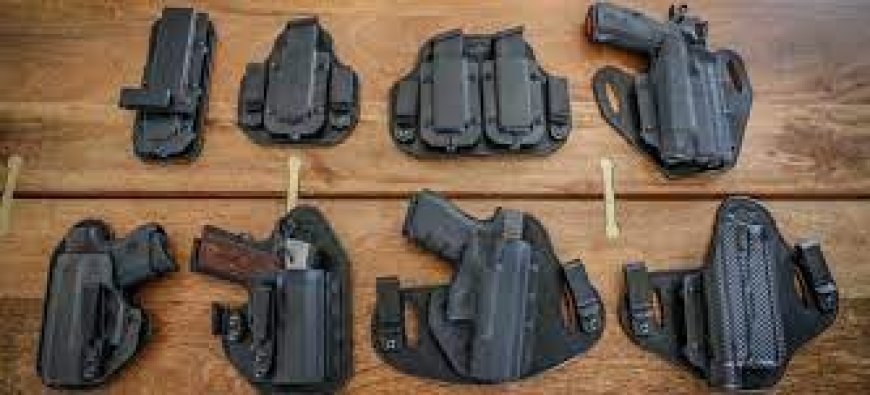
A holster is more than just an accessory; it is integral to firearm readiness, safety, and comfort. No matter if you are a law enforcement officer, military professional, security expert, or civilian gun owner; its performance can directly impact speed, accuracy, and reliability in real-life scenarios.
Reducing leather holsters inefficiency means optimizing its function, fit, accessibility, and integration into daily routine. Below are key strategies for selecting the most appropriate holster.
Step one of maximizing efficiency
Concealed Carry: IWB (Inside-the-Waistband) holsters provide both discretion and accessibility.
Open Carry: Outside-the-Waistband (OWB) holsters allow quick draws with ease of use, making OWB ideal for quick draws and convenience of use.
Tactical/Field Use: Shoulder holsters and thigh rigs can provide stability during movement as well as extended wear.
Consider your body type, firearm model and daily activities before selecting a holster.
Practice Proper Holster Retention
Retention is key in keeping your firearm secure yet accessible.
Level 1-3 Retention Systems: Determine your risk level and profession when selecting one of these retention systems, with law enforcement officers possibly needing Level 2 or 3 holsters with thumb breaks or locking mechanisms for level two and three operations.
Adjustable Retention Screws: These allow you to customize the tightness around your firearm for increased safety and draw speed.
Check your gun's retention periodicallyto make sure it won't come loose or feel too tight for quick access.
Prioritize Comfort and Fit
Holster discomfort can lead to poor posture, frequent adjustments or abandoning the holster altogether.
Target Soft-Edged and Lightweight Materials: Kydex, leather and hybrid holsters are often the perfect balance of comfort and rigidity.
Utilize a Quality Gun Belt: An efficient belt will provide support without shifting or sagging during use, helping keep your firearm in place without risk.
Consider Holster Cant and Ride Height: When setting these parameters correctly, drawing and holstering becomes more natural and ergonomic.
Better-fitting shoes make for greater efficiency.
Practice Your Draw and Holster Routine
Repetition is key for efficiency; quick draws and custom leather holsters are especially essential during emergencies.
Dry Fire Practice: Practice drawing your gun from its holster without ammunition to improve speed and confidence, then utilize a shot timer to measure how fast and accurately you can draw and fire from it.
Drills with Time Targets: Measure how quickly you can draw and fire using timed targets as part of the drills to measure performance over time.
Consistent Holster Positioning: For optimal muscle memory training, place the holster in exactly the same spot each time. Doing this will establish muscle memory.
Regular practice helps enhance reaction times and overall performance.
Maintain Your Holster and Gear
An old or dirty holster can severely hinder performance.
Clean Your Holster Regularly: Remove any lint, sweat or dirt that could hinder retention or cause wear on the holster, and check for cracks or warping especially with polymer and Kydex holsters, where heat exposure may alter their shape.
Inspect Fasteners and Clips: Loose screws or clips may cause instability, so be wary when loose screws or clips appear.
Proper maintenance extends the longevity and reliability of your holster.
Optimize for Situational Carry
Different environments call for different setups; be adaptable in how you configure your holster.
For vehicle carry or home defense use, consider quick-access dashboard or seat holsters.
Home Defense uses bedside or mounted holsters for fast nighttime access and bedside holsters can also provide fast nighttime access. Outdoor Activities need water-resistant holsters suitable for hiking and tactical movements.
Efficiency doesn't simply involve speed; rather, it requires having the appropriate setup available when and where it is required.
Stay Current on Holster Technology Developments
The holster industry continues to make strides forward by adding features such as:
QUICK-RELEASE LOCKING SYSTEMS [QUICK-RELEASE LOCKING SYSTEMS MODULAR ATTACHMENT DESIGNS THERMOFORM ADJUSTABLE MOLDS >> >> HOLSTER LIGHTS AND ACCESSORY COMPATIBILITY
Explore new innovations that can enhance safety, usability and adaptability.
Conclusion
Enhancing holster efficiency requires selecting appropriate gear, tailoring its fit to you personally, maintaining equipment regularly, and regularly practicing. An efficient holster ensures you can remain ready to respond confidently while moving comfortably through daily duties or at-range activitieswhether protecting home or family from attack.